Are Siberian Cats Really Hypoallergenic? The Science Explained
Discover the science behind Siberian cats and cat allergies. Learn how lower Fel d 1 protein levels, genetic testing, and coat dynamics affect allergy sufferers.
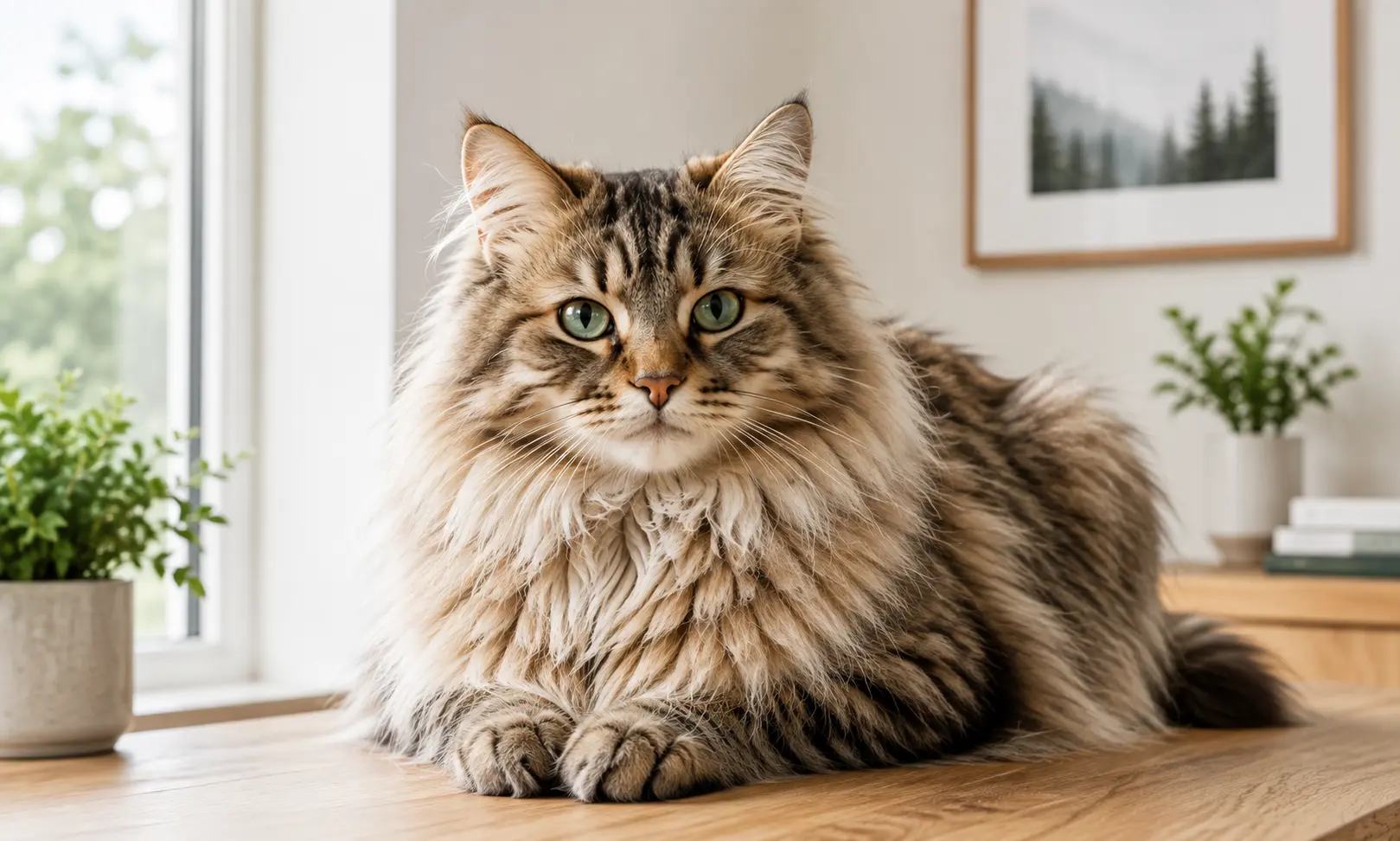
For animal lovers who suffer from sneezing, itchy eyes, and wheezing, finding a feline companion often feels impossible. However, over the past decade, one specific breed has captured the attention of allergists, geneticists, and pet owners worldwide: the Siberian cat.
Often marketed as a hypoallergenic miracle, the Siberian's reputation is rooted in real, fascinating feline genetics rather than pure marketing hype. While no cat is 100% allergy-free, Siberians frequently allow individuals with mild-to-severe allergies to live completely symptom-free.
In this deep dive, we examine the scientific mechanisms behind Siberian cats, why their Fel d 1 production differs from other breeds, and how to verify your personal tolerance before adopting.
Quick Summary: The Siberian Hypoallergenic Profile
| Trait | Siberian Profile | Biological Impact |
|---|---|---|
| Primary Allergen Output | Naturally low Fel d 1 protein in saliva | Major reduction in biological trigger |
| Coat Structure | Heavy, triple-layered coat | Holds dander close to skin until shedding |
| Individual Variability | High (Varies cat-to-cat) | Requires individual testing/breeder visits |
| Allergy Compatibility | Estimated 70%–80% of sufferers | Best suited for Fel d 1-sensitive individuals |
The Core Question: Do Siberian Cats Produce Less Fel d 1?
To understand why Siberians are unique, we must revisit the primary biological cause of feline allergies. As detailed in our guide on what causes cat allergies, human immune responses are driven primarily by a microscopic protein called Fel d 1, secreted in a cat's saliva, sebaceous (skin) glands, and tears.
Standard domestic cats produce high concentrations of Fel d 1 that coat their fur during daily grooming. As the saliva dries, it detaches as microscopic dander. Siberian cats, however, frequently possess a genetic mutation that causes them to produce significantly lower concentrations of this protein.
The Genetic Marker
Research into feline genetics shows that the genes responsible for coding Fel d 1 (Ch1 and Ch2) exhibit sequence variations in Siberians. While a standard domestic cat might produce between 4,000 to 10,000 micrograms of Fel d 1 per gram of saliva, many Siberians produce under 1,000 micrograms—with elite "low-allergen" lines producing as little as 100 to 500 micrograms.
Because their saliva contains lower baseline concentrations of the protein, the dander transferring to their coat carries a far lighter allergen payload into your household.
Why Their Fluffy Triple Coat Isn't a Dealbreaker
It seems counterintuitive that a massive, forest-dwelling cat with a thick triple coat could be better for allergies than a short-haired breed.
However, allergy symptoms are not caused by hair itself—they are caused by the microscopic dander clinging to it (as explored in our cat dander vs. hair allergies breakdown).
A Siberian's coat consists of three distinct layers:
- Guard Hair: The outer, water-repellent layer.
- Awn Hair: The middle protective layer.
- Down Hair: The dense, insulating undercoat.
This dense coat acts as a physical barrier, trapping dander against the skin rather than allowing it to immediately flake off into the air. When combined with their lower salivary protein output, even seasonal shedding releases a fraction of the airborne allergens produced by a standard short-haired cat.
The Myth of the 100% Guarantee: Genetic Variance
While scientific testing confirms that a high percentage of Siberian cats produce lower Fel d 1 levels, not every Siberian is low-allergen.
Allergy sufferers should be aware of several critical variables:
- Lineage & Genetics: Fel d 1 production varies widely across different Siberian breeding lines. Traditional Russian bloodlines tend to have lower levels than heavily cross-bred lines.
- Hormonal Factors: Intact males produce the highest levels of Fel d 1. Neutered males and spayed females produce significantly less, while pregnant or nursing females can experience temporary spikes in protein production.
- Age Variations: Kittens produce lower levels of allergens than mature adults. Testing a 8-week-old kitten's effect on your immune system can lead to false confidence; you must test your tolerance against full-grown adult relatives.
How to Verify Your Tolerance Before Adopting
Because human immune sensitivity varies, a cat with low Fel d 1 output might still trigger mild symptoms in an extremely sensitive individual. Before bringing a Siberian home, follow this 3-step verification process:
1. The Cattery Visit ("Challenge Test")
Spend at least 2 to 3 hours inside a registered Siberian breeder's home or cattery. Interact directly with full-grown adult cats (especially the mother and father of an upcoming litter). Hold them close to your face, let them rub against your hands, and refrain from taking antihistamines prior to the visit to get an honest immune reading.
2. T-Shirt or Sample Testing
Many ethical breeders offer mail-order allergen samples. They rub a clean cloth or t-shirt over their adult breeding cats and seal it in a plastic bag. You can then wear or sleep near the shirt at home over 24–48 hours to observe localized nasal or cutaneous responses.
3. Lab-Tested Saliva Grading
Top-tier, specialized breeders work with independent laboratories (such as Indoor Biotechnologies) to measure the exact Fel d 1 levels in their breeding stock's saliva. Saliva samples are graded into tiers:
- Extremely Low: Suitable for individuals with severe allergies or allergic asthma.
- Low: Suitable for moderate allergy sufferers.
- Medium to Standard: Recommended only for mild allergy sufferers or non-allergic homes.
Environmental Controls: Maximizing Success
Adopting a low-allergen Siberian is the foundation, but pairing your cat with proactive environmental control creates an impenetrable defense:
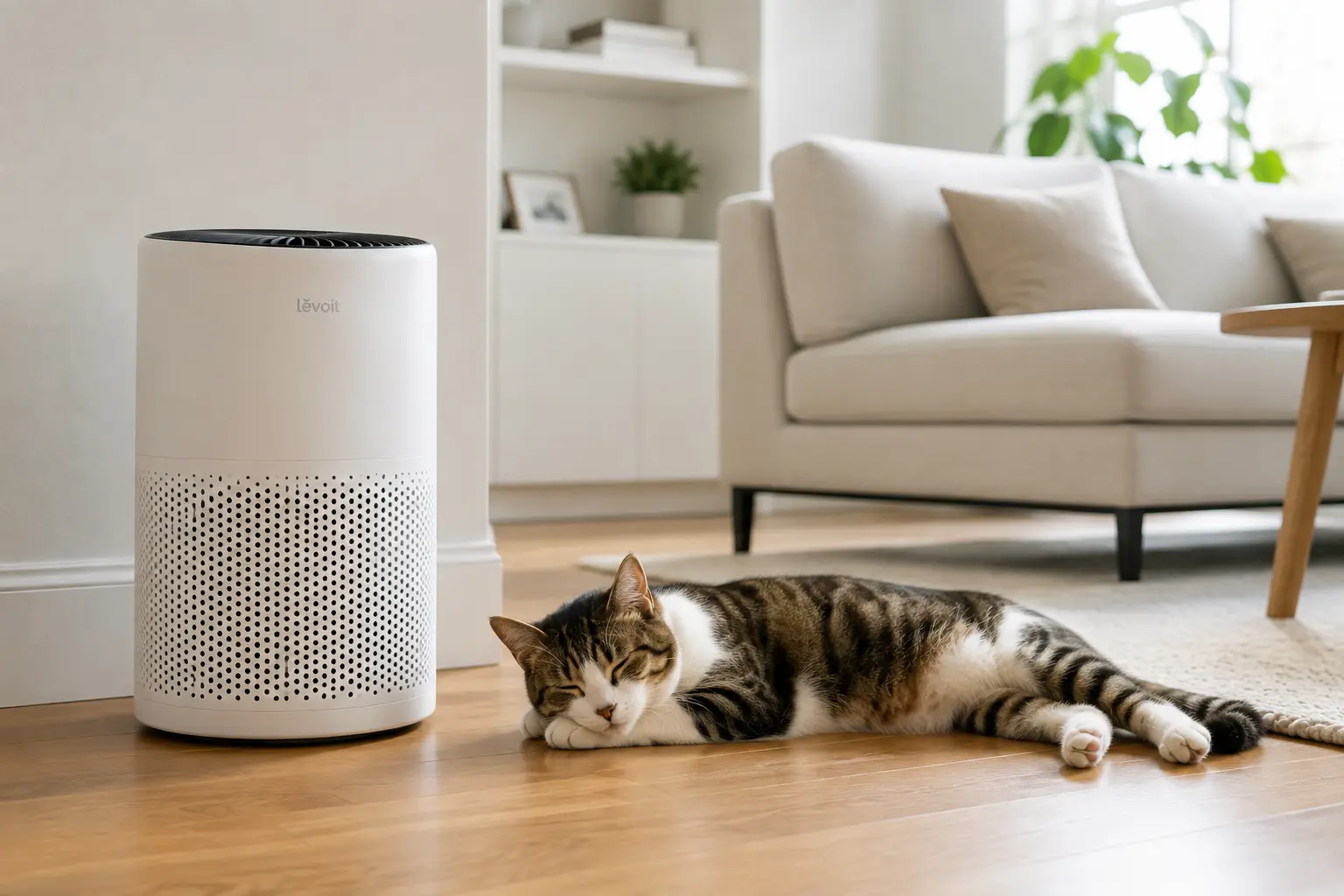
- Air Purification: Place a True HEPA filter in high-traffic rooms and bedrooms. Explore our top tested models in the best air purifiers for cat allergies buyer's guide.
- Dietary Neutralization: You can further neutralize remaining oral Fel d 1 by feeding your Siberian an allergen-reducing cat food containing IgE-binding egg coat proteins.
- Regular Grooming: Combing your Siberian's undercoat twice a week prevents matting and removes dead fur before it sheds into your home carpet.
Where to Find and Adopt Authentic Siberian Cats
If you decide a Siberian cat is right for your home, sourcing your pet from an ethical, health-tested breeder is essential for guaranteeing both temperament and low-allergen genetics.
- Registered Catteries: Look for breeders registered with major cat registries such as TICA (The International Cat Association) or CFA (Cat Fanciers' Association).
- Ask for Health & Allergen Guarantees: Reputable Siberian breeders understand allergy concerns and will offer a return policy or trial period if severe symptoms occur post-adoption.
- Beware of "Hypoallergenic" Backyard Breeders: Avoid unregulated listings or farms offering cheap "purebred" Siberians without pedigree documentation or parent protein testing.
Final Summary
- Are Siberians hypoallergenic? Yes. Scientifically, many Siberians produce significantly lower concentrations of the Fel d 1 protein than standard breeds.
- Can they still cause allergies? Yes. Individual protein levels vary, and highly sensitive individuals can still react to low baseline levels.
- The Verdict: Siberians are arguably the single best cat breed for allergy sufferers when sourced from verified low-allergen lines and paired with proper home air filtration.
To compare the Siberian against other low-allergen breeds like the Balinese, Russian Blue, and Sphynx, read our full breakdown of the best hypoallergenic cat breeds.