Cat Allergy Testing: Skin Prick vs. Blood Tests & Diagnosis
Discover how doctors diagnose cat allergies. Compare skin prick tests, IgE blood tests, at-home kits, and learn how to prepare for your appointment.
If sneezing, coughing, or itchy eyes flare up whenever a cat is nearby, getting an accurate medical diagnosis is the first step toward long-term relief.
Many people assume they are allergic to cats when their symptoms are actually triggered by dust mites, mold, or pollen that hitch a ride on pet fur. Professional cat allergy testing eliminates the guesswork, helping you pinpoint exact triggers and determine whether feline proteins—specifically Fel d 1 protein—are truly causing your immune response.
Here is a complete guide to how cat allergy testing works, comparing skin prick tests, blood panels, and at-home diagnostic kits.
Quick Comparison: Diagnostic Testing Methods
| Testing Method | Onset / Results Time | Accuracy & Sensitivity | Medication Stop Required? | Primary Advantage |
|---|---|---|---|---|
| Skin Prick Test (SPT) | 15–20 minutes | High sensitivity (Gold Standard) | Yes (Stop antihistamines 5–7 days prior) | Immediate, visual results in-office |
| Specific IgE Blood Test | 3–7 business days | High specificity | No (Continue all regular medications) | Safe for severe eczema or anaphylaxis risk |
| At-Home IgE Finger-Prick | 5–10 business days | Moderate | No | Convenience without an initial clinic visit |
The Science: How Medical Diagnostic Tests Detect Cat Allergies
When a cat-allergic person is exposed to feline proteins, their immune system produces a specific type of antibody known as Immunoglobulin E (IgE). These antibodies attach themselves to mast cells in the skin, respiratory tract, and eyes.
Upon secondary exposure to cat dander, the Fel d 1 protein binds to these surface IgE antibodies, causing the mast cells to burst open and release histamine. Allergy diagnostic tests function by artificially replicating or measuring this exact IgE-binding response:
- Skin Prick Testing: Introduces concentrated liquid allergen extracts directly beneath the skin surface to trigger a controlled, localized mast cell histamine release.
- Blood Testing (sIgE): Quantifies the exact numerical concentration of circulating cat-specific IgE antibodies in a blood sample using laboratory immunoassay platforms (such as ImmunoCAP).
1. Skin Prick Testing (SPT) — The Clinical Gold Standard
Skin prick testing remains the primary diagnostic tool used by board-certified allergists due to its speed, accuracy, and cost-effectiveness.
How the Procedure Works
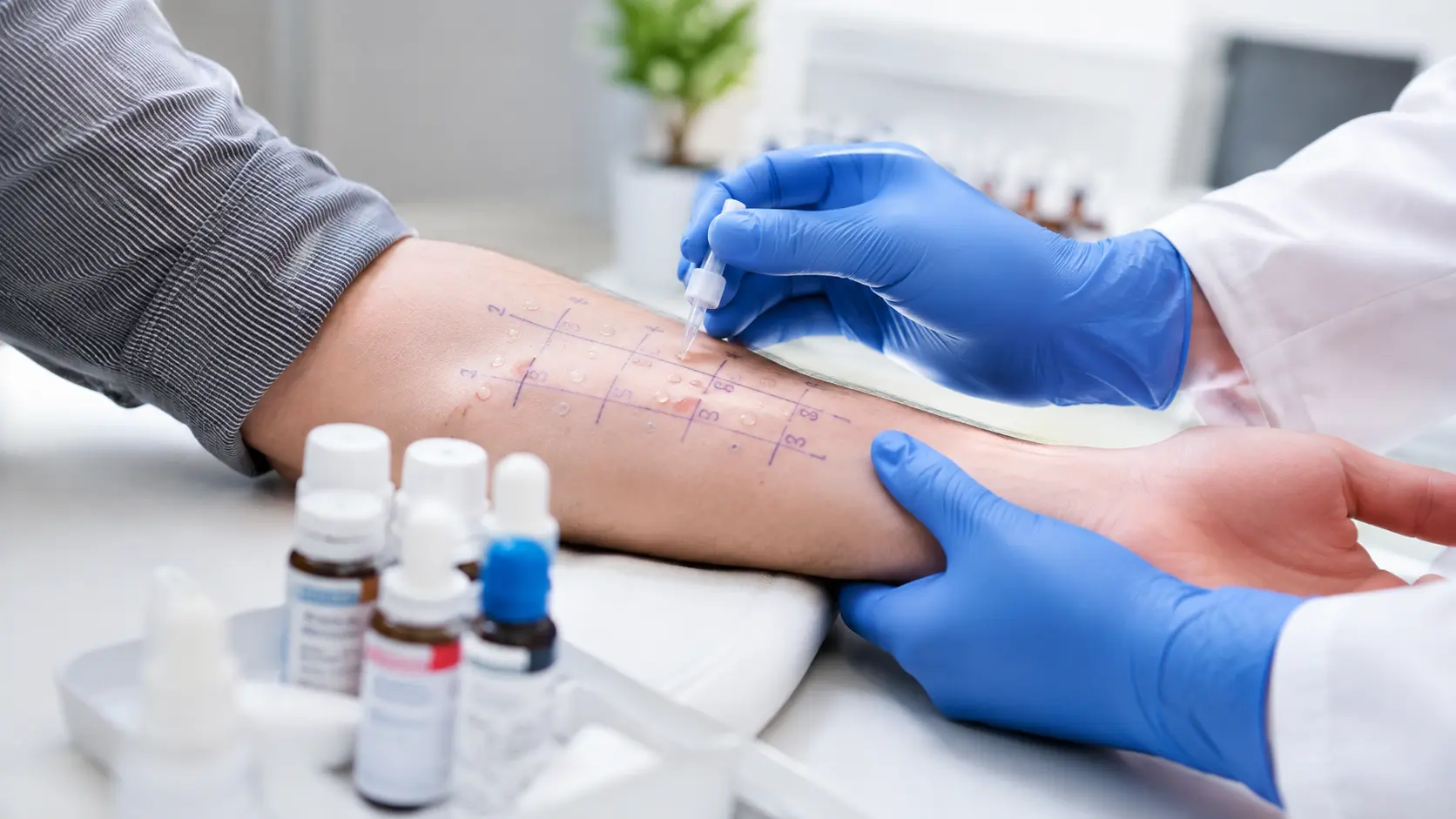
- Preparation: The healthcare provider cleans the skin on your forearm or upper back with alcohol and marks small testing grid points using a surgical marker.
- Application: A tiny drop of concentrated cat dander extract is placed on the skin next to positive control drops (histamine) and negative control drops (saline solution).
- Prick: Using a sterile plastic lancet, the clinician gently scratches or pricks the uppermost layer of skin through each droplet. This allows the liquid extract to penetrate the epidermis without causing bleeding.
- Observation: You wait in the clinic for 15 to 20 minutes.
Interpreting the Results
If you are allergic, a localized reaction called a wheal-and-flare (a raised, itchy bump resembling a mosquito bite surrounded by red skin) will appear at the cat extract site:
- Positive Result: A wheal measuring 3 millimeters or larger than the negative control indicates an allergic sensitization to feline proteins.
- Controls Verification: The positive histamine drop must produce a bump (proving your skin reacts normally), and the negative saline drop must stay clear (proving your skin is not overly reactive to pressure alone).
2. Specific IgE Blood Tests — Safe and Flexible
Specific IgE blood tests (formerly referred to as RAST tests, now modernized as ImmunoCAP or ELISA assays) measure the volume of circulating antibodies in a blood sample.
When Blood Testing is Preferred
Your allergist may recommend a blood draw instead of a skin prick test if you:
- Cannot stop taking antihistamines: Certain medications cannot be safely paused.
- Suffer from severe skin conditions: Widespread eczema, dermographism (skin writing), or psoriasis can invalidate skin prick readings.
- Have a history of severe anaphylaxis: Eliminates any risk of triggering a systemic allergic reaction during testing.
Understanding Blood Test Class Scale
Blood test results quantify the level of specific IgE antibodies in kilounits per liter (kU/L), categorized into classes ranging from Class 0 (absent) to Class 6 (extremely high):
- Class 0 (< 0.35 kU/L): Undetectable or negative.
- Class 1 (0.35 – 0.69 kU/L): Low level of IgE; mild sensitization.
- Class 2–3 (0.70 – 17.49 kU/L): Moderate to high IgE concentration.
- Class 4–6 (17.50+ kU/L): Very high concentration; strong allergic probability.
3. At-Home Allergy Testing Kits — Convenience vs. Clinical Rigor
At-home diagnostic kits have grown in popularity for individuals seeking answers without immediately scheduling a specialist consultation.
How At-Home Kits Function
These kits typically involve registering your kit online, performing a finger-prick blood sample at home using a sterile lancet, applying the blood drops to a collection card, and mailing it to a CLIA-certified laboratory. The lab runs a multi-allergen IgE panel and uploads the digital report to your portal within a week.
Limitations of At-Home Testing
- No Clinical Context: A positive antibody reading does not automatically mean you will experience physical cat allergy symptoms upon exposure. Up to 30% of people test positive for IgE antibodies without showing actual symptoms (asymptomatic sensitization).
- Self-Interpretation: Without an allergist to cross-reference your medical history, you risk misinterpreting results or making drastic life decisions (like rehoming a pet) based on isolated data points.
How to Prepare for Your Allergy Appointment
To ensure accurate diagnostic testing, proper preparation is critical:
Medications to Pause (5 to 7 Days Before Skin Testing)
Certain medications block histamine receptors and will cause a false-negative result on skin prick tests:
- Over-the-counter oral antihistamines: Cetirizine (Zyrtec), Fexofenadine (Allegra), Loratadine (Claritin), Diphenhydramine (Benadryl).
- Prescription antihistamine nasal sprays: Azelastine (Astelin), Olopatadine (Patanase).
- Sleep aids containing antihistamines: Doxylamine succinate, ZzzQuil.
Note: Never stop taking prescribed asthma maintenance inhalers or cardiovascular medications without explicitly consulting your doctor. Blood tests do NOT require stopping any medications.
Next Steps After Diagnosis
Once diagnostic testing confirms a feline allergy, your allergist will help you establish a targeted management strategy based on the severity of your score:
- Environmental Management: Deploy high-efficiency air filtration in clean zones. Explore our top picks for the best air purifiers for cat allergies and pair them with a sealed HEPA vacuum for pet hair.
- Biological Intervention: Neutralize active salivary proteins by transitioning your cat to an anti-Fel d 1 diet like Purina LiveClear.
- Medical Symptom Relief: Utilize targeted daily maintenance therapies, such as second-generation oral antihistamines and corticosteroid nasal sprays (see our guide to the best allergy medication for cat owners).
- Immunotherapy: Discuss allergen immunotherapy (allergy shots or sublingual drops) with your allergist for a long-term cure to retrain your immune system over a 3-to-5-year period.
Frequently Asked Questions
Can you test positive for cat allergies if you don't own a cat?
Yes. Fel d 1 is an extremely sticky, lightweight airborne allergen present in public spaces, schools, and workplaces. You can easily develop sensitization to feline proteins without ever having directly lived with a cat.
What is the difference between sensitization and a true allergy?
Sensitisation means your body has produced IgE antibodies against cat proteins, which shows up on blood or skin tests. A true clinical allergy exists only when those IgE antibodies trigger active physical symptoms (like sneezing, asthma, or hives) upon real-world exposure.
Can cat allergy tests give false positives?
Yes. Skin prick tests and blood panels can show mild positive results due to cross-reactivity with other proteins or asymptomatic sensitization. This is why test readings must always be interpreted alongside your personal symptom history by a healthcare professional.
Final Summary
- For immediate, highly accurate in-office results: Choose Skin Prick Testing (SPT) (ensure you pause antihistamines 5–7 days prior).
- If you have severe skin conditions or cannot stop medications: Choose a Specific IgE Blood Test.
- Always pair your test results with clinical advice: Work with a board-certified allergist to build an effective treatment plan tailored to your lifestyle.