Cat Allergy Shots (Immunotherapy): How They Work and Who Might Need Them
Allergy shots can reduce sensitivity to cats over time for some people. How immunotherapy works, what to expect, and questions to ask.
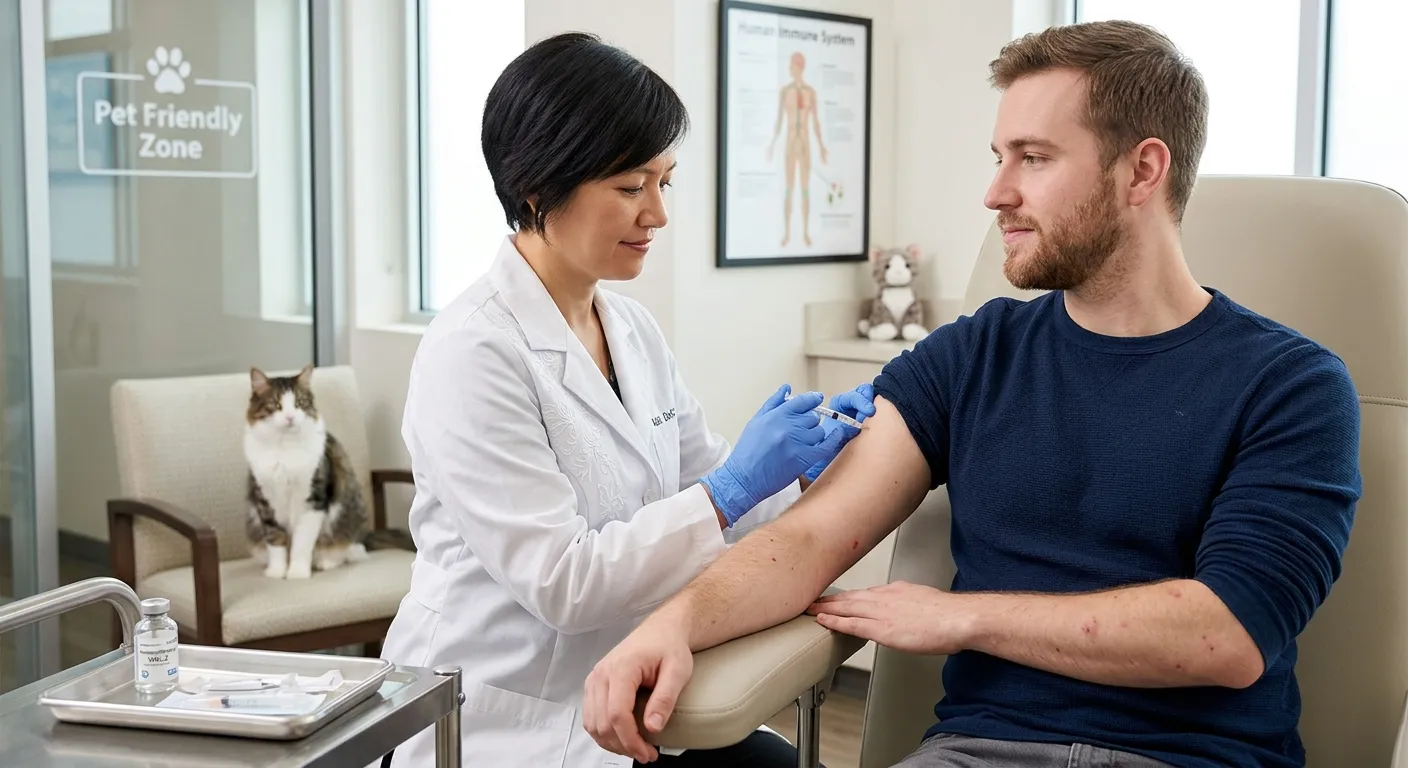
If you are wondering whether cat allergy shots actually work, the direct answer is that allergen immunotherapy can significantly reduce feline sensitivity over time for many people, but it requires a long-term clinical commitment supervised exclusively by a board-certified allergist. Allergy shots do not offer an overnight cure, and treatment typically requires multiple years of consistent injections to retrain the immune system.
Medical Disclaimer: The information in this article is for educational purposes only and does not constitute medical advice, diagnosis, or personalized treatment recommendations. Only a qualified physician or board-certified allergist can determine whether you are a suitable candidate for allergen immunotherapy.
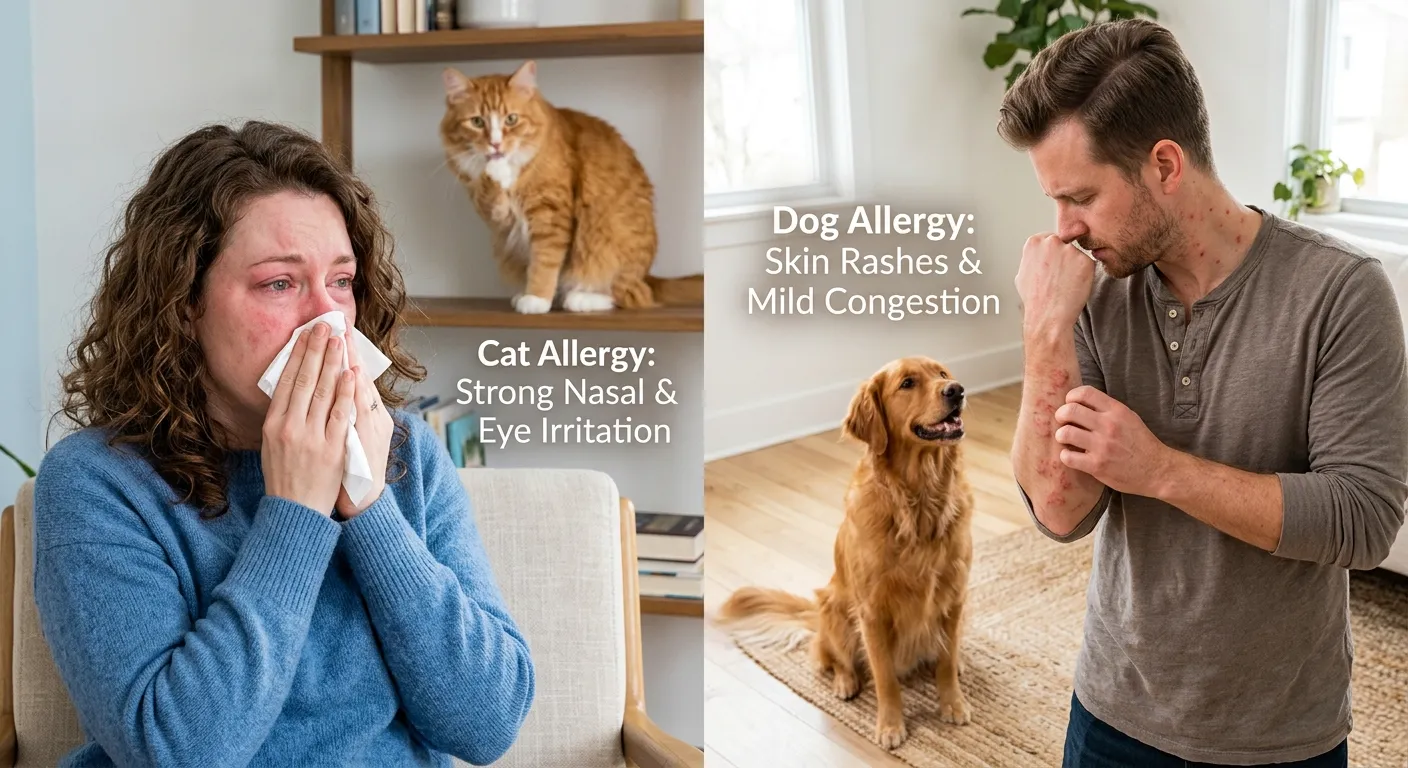
For pet lovers living with persistent sneezing, conjunctivitis, or allergic asthma, relying on daily antihistamines and nasal sprays can feel like a temporary band-aid. Allergen immunotherapy represents the only currently available treatment that addresses the underlying biological cause of allergic disease rather than merely suppressing symptoms after they occur.
In this guide, we break down how cat allergy immunotherapy functions at a cellular level, outline what the treatment timeline looks like, evaluate clinical efficacy and safety risks, explore who qualifies as a candidate, and highlight key questions to ask your physician.
Quick Summary: Allergen Immunotherapy at a Glance
| Feature | Clinical Standard | Key Patient Considerations |
|---|---|---|
| Primary Goal | Immune desensitization to Fel d 1 | Reduces symptom severity and daily medication reliance; rarely a 100% cure |
| Typical Treatment Duration | 3 to 5 years | Requires consistent, disciplined clinical visits over several years |
| Time to Noticeable Relief | 6 to 12 months | Symptoms do not resolve immediately; requires patience during build-up |
| Administration Setting | Must be given in an allergist's clinic | Mandatory 30-minute post-injection waiting period to monitor for anaphylaxis |
| Clinical Eligibility | Determined individually by an allergist | Uncontrolled asthma or beta-blocker medications may rule out candidacy |
How It Works: Retraining the Immune System
To understand how cat allergy shots function, you must examine how your immune system misidentifies feline proteins.
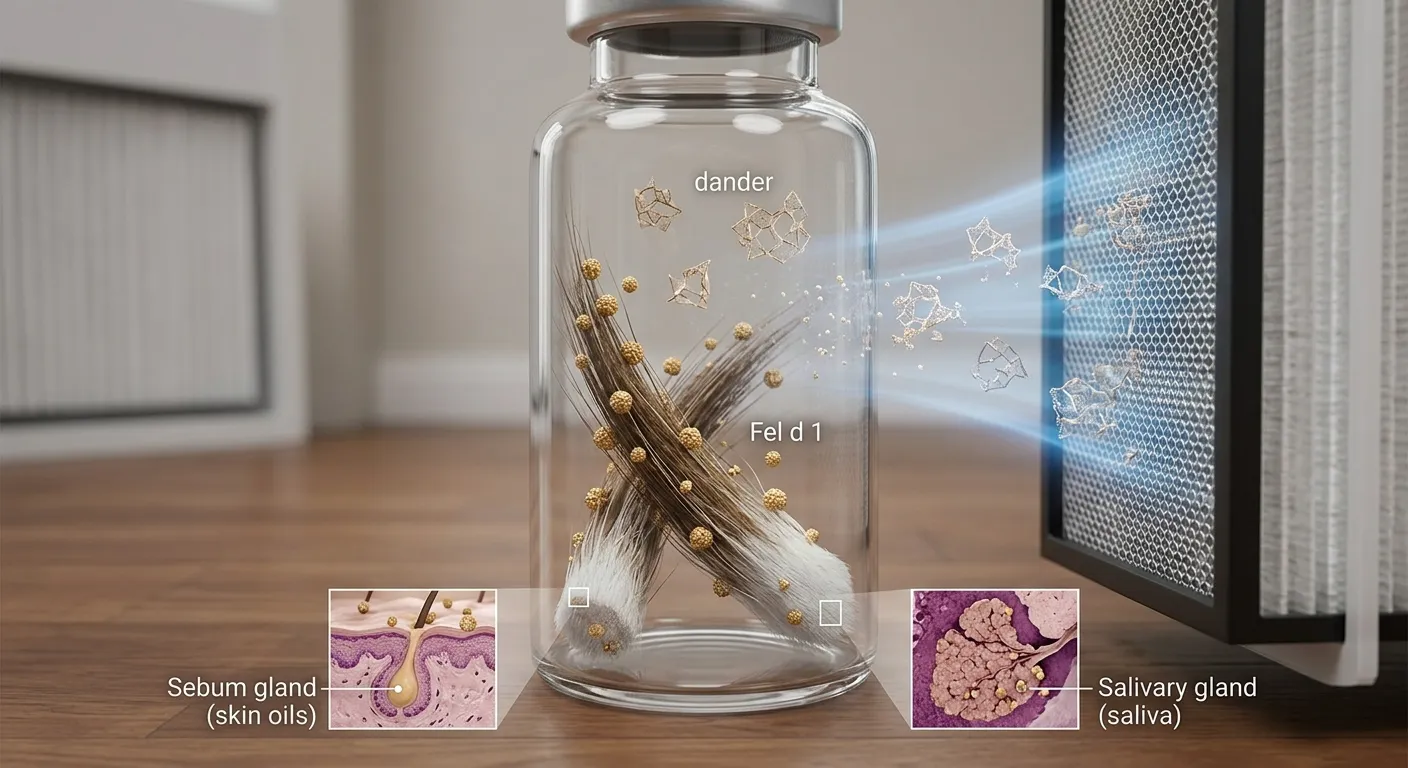
In an allergic individual, the immune system mistakenly views Fel d 1—a microscopic secretoglobin protein found in cat saliva, skin oils, and dander—as a dangerous pathogen. The body produces excessive Immunoglobulin E (IgE) antibodies targeted specifically at Fel d 1. When you inhale cat dander, the protein binds to IgE antibodies attached to mast cells in your nasal passages, eyes, and lungs, triggering a sudden release of histamines and inflammatory leukotrienes.
+--------------------------------------------------------------------------+
|                  HOW ALLERGEN IMMUNOTHERAPY WORKS                        |
|                                                                          |
|  1. Formulated extract contains micro-doses of purified cat allergen.   |
|  2. Gradual dosage escalation introduces the protein incrementally.      |
|  3. The immune system shifts antibody production from IgE to IgG4.       |
|  4. "Blocking antibodies" (IgG4) neutralize Fel d 1 before mast cells     |
|     can release histamines upon real-world cat exposure.                 |
+--------------------------------------------------------------------------+
The Cellular Shift: From IgE to IgG4
Allergen immunotherapy introduces gradually increasing micro-doses of purified feline allergen extract beneath the skin (subcutaneously):
- Inducing Immune Tolerance: Repeated, controlled exposure stimulates regulatory T-cells (Treg cells).
- Producing "Blocking Antibodies": Over months of therapy, the body shifts from producing reactive IgE antibodies to producing protective Immunoglobulin G4 (IgG4) "blocking" antibodies.
- Neutralizing the Allergen: When you later encounter a cat in a living room, your newly formed IgG4 antibodies intercept and bind to the Fel d 1 proteins before they can reach your sensitized mast cells, preventing or drastically muting the histamine cascade.
What the Process Looks Like: The Timeline
Undergoing cat allergy shots is a structured, multi-phase medical journey that requires significant time and consistency:
Phase 1: Comprehensive Diagnostic Testing
Before any injections begin, you must undergo formal clinical evaluation by an allergist. As covered in our guide on cat allergy testing, skin-prick testing or specific IgE blood tests confirm that Fel d 1 is your true primary trigger and measure your baseline sensitivity level.
Phase 2: The Build-Up Phase (Typically 3 to 6 Months)
During the build-up phase, you receive injections containing tiny, increasing concentrations of allergen extract:
- Frequency: Injections are typically administered 1 to 2 times per week.
- Dose Escalation: With each visit, the allergist slightly increases the allergen dosage to safely condition your immune system without triggering an acute allergic reaction.
- Consistency Is Critical: Missing scheduled appointments during this phase can reset your progress, as the doctor may need to lower your dose to ensure safety.
Phase 3: The Maintenance Phase (Typically 3 to 5 Years)
Once your body tolerates the maximum target dosage (the maintenance dose), you enter the maintenance phase:
- Frequency: Injections are spaced out to once every 2 to 4 weeks.
- Duration: Clinical guidelines from the AAAAI and ACAAI recommend continuing maintenance shots for 3 to 5 years to achieve durable, long-lasting immune tolerance that persists even after injections stop.
What the Clinical Evidence Says: Realistic Expectations
When considering allergy shots, maintaining realistic expectations is vital. While immunotherapy is scientifically supported, it is not a magic wand:
What Studies Support
- Substantial Symptom Reduction: Peer-reviewed clinical trials indicate that a high percentage of patients experience significant reductions in allergic rhinitis and conjunctivitis symptoms around cats.
- Decreased Medication Dependence: Many patients are able to reduce or completely discontinue daily oral antihistamines, decongestants, and prescription nasal sprays.
- Prevention of Asthma Progression: In pediatric and young adult patients, allergen immunotherapy has been shown to reduce the risk of allergic rhinitis progressing into chronic allergic asthma.
Important Limitations
- Not a 100% Guarantee: A subset of patients experiences minimal symptom relief despite completing a full course of therapy.
- Does Not Eliminate Heavy Exposure Symptoms: If you bury your face into a heavily shedding cat in an unventilated room, even a fully desensitized immune system can still experience mild breakthrough symptoms.
Safety and Risks: Why Injections Require a Clinic
Because allergy shots involve injecting the exact substance that triggers your immune system, safety protocols are strictly enforced:
+--------------------------------------------------------------------------+
|                  IMMUNOTHERAPY SAFETY AND MONITORING                     |
|                                                                          |
|  [Common Local Reactions]   Redness, swelling, or itching at arm site    |
|  [Mandatory Wait Time]      Must remain in clinic for 30 minutes post-shot|
|  [Systemic Reaction Risk]   Rare anaphylaxis (hives, wheezing, throat tight)|
|  [Emergency Preparedness]   Clinics are fully equipped with epinephrine  |
+--------------------------------------------------------------------------+
Localized Reactions
The vast majority of side effects are mild and localized to the injection site on the upper arm, including redness, mild swelling, or itching. These typically resolve within 24 to 48 hours and can be managed with cold compresses or oral antihistamines.
Systemic Reactions and Anaphylaxis
In rare cases, the body can experience a systemic allergic reaction (anaphylaxis) affecting multiple organ systems. Symptoms can include widespread hives, facial swelling, coughing, wheezing, dizziness, or difficulty breathing.
- The 30-Minute Waiting Rule: Because severe systemic reactions almost always occur within 30 minutes of injection, clinical guidelines mandate that every patient remain in the medical office for a full 30 minutes after each shot.
- Emergency Readiness: Allergists maintain ready-to-use epinephrine, oxygen, and emergency airway equipment to treat any acute adverse reaction immediately.
Who Is (and Is Not) a Candidate?
Deciding whether allergy shots are right for you requires a collaborative discussion with your physician:
Potential Candidates
- Individuals with documented IgE-mediated feline allergies who cannot avoid cat exposure (e.g., pet owners, veterinary staff, shelter workers).
- Patients whose cat allergy symptoms are poorly controlled by standard over-the-counter medications.
- Individuals who experience intolerable side effects (such as chronic drowsiness or dry mouth) from long-term daily antihistamines.
Potential Contraindications (Ask Your Allergist)
- Severe, Uncontrolled Asthma: Patients with unstable pulmonary function or frequent asthma exacerbations have a significantly higher risk of life-threatening bronchospasm during immunotherapy. Asthma must be fully stabilized before starting.
- Beta-Blocker Medications: Patients taking beta-blockers for high blood pressure or heart conditions may be ineligible, as beta-blockers interfere with the effectiveness of epinephrine if an emergency allergic reaction occurs.
- Inability to Commit to the Schedule: Individuals whose work travel or lifestyle prevents regular weekly clinic visits during the build-up phase should reconsider, as erratic attendance creates significant safety hazards.
Cost, Insurance, and Healthcare Availability
The financial aspects of immunotherapy vary substantially by country, healthcare system, and insurance coverage:
- Insurance Coverage: In many regions, private health insurance or national healthcare systems cover a substantial portion of allergen extract preparation and office injection visits. However, copays and deductibles can accumulate across dozens of visits.
- Time Commitment Costs: The primary investment is often time. Weekly visits, travel, and the mandatory 30-minute observation window require significant scheduling discipline.
Alternative and Supportive Management Strategies
If allergy shots are inaccessible or clinically contraindicated for you, several effective non-injection strategies can help manage symptoms:
- Targeted Pharmacotherapy: Combine modern non-drowsy second-generation oral antihistamines with daily corticosteroid nasal sprays. Explore top medical options in our guide on the best allergy medication for cat owners.
- Comprehensive Environmental Control: Continuous True HEPA air filtration, high-heat bedding laundry (130°F / 54°C), and maintaining a pet-free bedroom sanctuary drastically lower ambient allergen exposure. Follow our blueprint on how to reduce cat allergens at home.
- Navigating Pet Ownership: Explore realistic strategies for living with a cat in our guide on can I keep my cat if I'm allergic.
Take our interactive allergy quiz to evaluate your current symptom severity.
Key Questions to Ask Your Allergist
Before beginning an immunotherapy regimen, schedule an in-depth consultation and consider asking:
- Does my specific IgE testing confirm that cat Fel d 1 is my primary clinical trigger?
- Is my asthma sufficiently controlled to begin allergy shots safely?
- What is your clinic's protocol if I miss an injection due to illness or travel?
- Do any of my current medications interfere with allergy shots or emergency epinephrine?
- Based on my sensitivity level, how long should I expect to remain in the maintenance phase?
Key Takeaways
- Addresses the Root Cause: Allergen immunotherapy retrains the immune system by shifting antibody production from reactive IgE to protective IgG4 blocking antibodies.
- Long-Term Clinical Commitment: Treatment requires a 3-to-6-month build-up phase followed by 3 to 5 years of maintenance injections for durable results.
- Significant Symptom Relief, Not a Guaranteed Cure: Most patients experience major symptom reductions and lower medication dependence, but complete eradication is not guaranteed.
- Mandatory Clinic Administration: Injections must be administered in a medical clinic with a mandatory 30-minute observation window to ensure immediate treatment if a rare systemic reaction occurs.
- Consult a Specialist: An allergist must evaluate your medical history, asthma stability, and current medications before determining whether you are an appropriate candidate.
Sources
- American Academy of Allergy, Asthma & Immunology (AAAAI). "Allergen Immunotherapy: Clinical Practice Guidelines and Safety Parameters."
- American College of Allergy, Asthma & Immunology (ACAAI). "Allergy Shots (Immunotherapy) Overview and Patient Guidance."
- National Health Service (NHS). "Immunotherapy for Allergies: Procedures, Benefits, and Risks."
- Allergy UK. "Allergen Immunotherapy: What You Need to Know."
- Bonnet, B., et al. (2018). "An update on molecular cat allergens: Fel d 1 and beyond." Allergy, Asthma & Clinical Immunology, 14, 7.