Best Allergy Medication for Cat Owners (Antihistamines & Sprays)
A complete guide to managing cat allergy symptoms with over-the-counter medications, including oral antihistamines, nasal sprays, and eye drops.
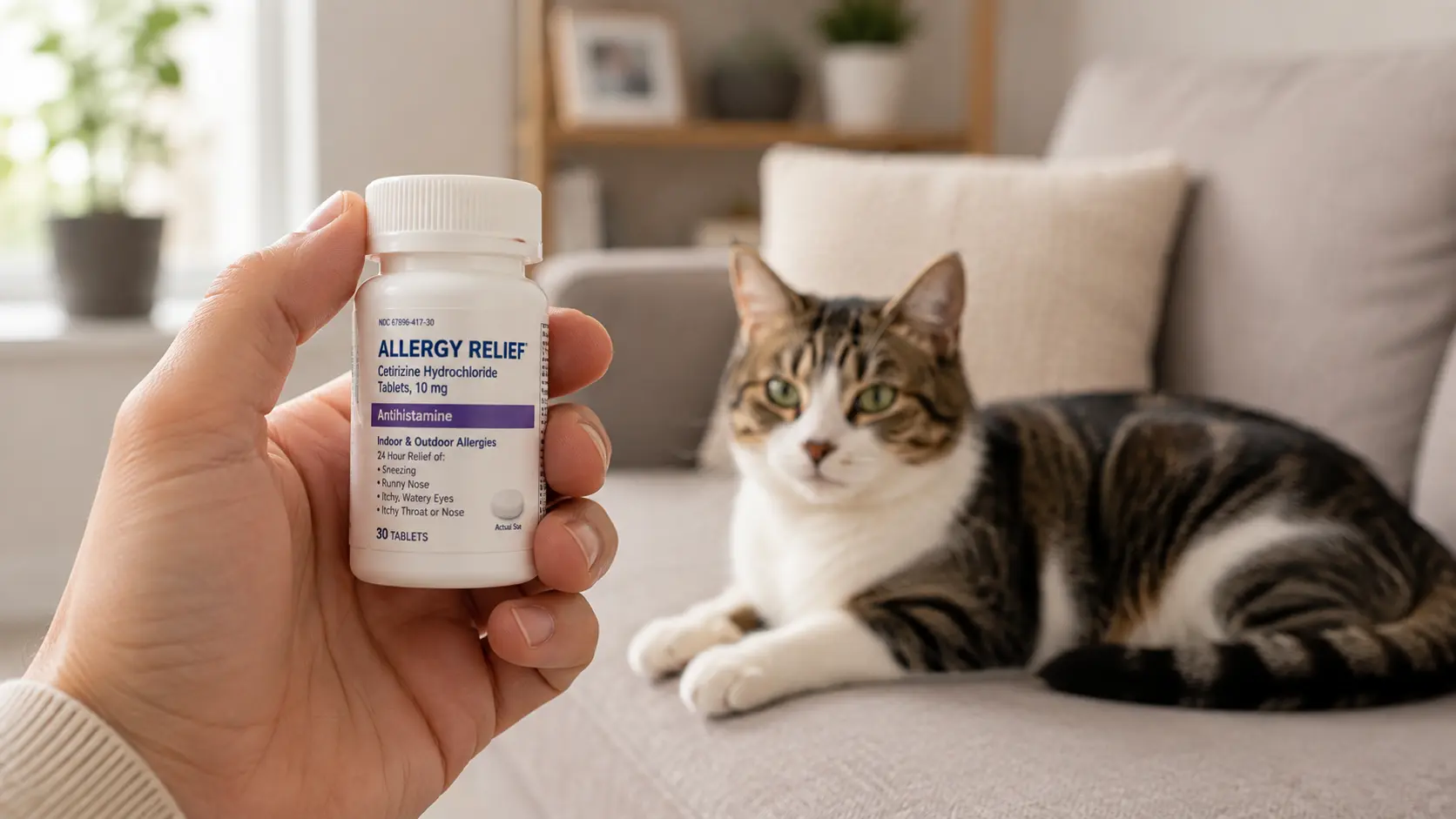
While environmental controls and dietary interventions aim to reduce allergen exposure, they rarely eliminate it entirely. When microscopic Fel d 1 protein particles bypass your air purifiers and make contact with your immune system, medication becomes the next line of defense. Over-the-counter (OTC) allergy medications function by blocking the body's chemical response to these proteins, effectively managing the resulting physical symptoms.
In this guide, we break down the most effective OTC allergy medications for cat owners, categorizing them by how they work and which specific cat allergy symptoms they target best.
Quick Summary: Top Allergy Medications for Cat Owners
| Medication Type | Active Ingredient (Common Brand) | Primary Mechanism | Best Used For | Onset Time |
|---|---|---|---|---|
| Second-Gen Antihistamine | Cetirizine (Zyrtec) | Blocks histamine receptors systemically | Severe sneezing, itching, hives | 1 hour |
| Non-Drowsy Antihistamine | Fexofenadine (Allegra) | Blocks histamine without crossing blood-brain barrier | Daytime relief, mild to moderate sneezing | 1-2 hours |
| Corticosteroid Spray | Fluticasone (Flonase) | Reduces inflammation in nasal passages | Chronic nasal congestion, sinus pressure | 12-24 hours (continuous use) |
| Antihistamine Eye Drops | Olopatadine (Pataday) | Blocks histamine directly in the conjunctiva | Red, itchy, watery eyes | Minutes |
Best Allergy Medication for Cat Owners
Understanding How Cat Allergy Medications Work
When a cat-allergic individual inhales or touches feline dander, their immune system mistakenly identifies the harmless protein as a dangerous invader. The immune system responds by releasing a chemical called histamine.
Histamine causes blood vessels to expand and triggers inflammation, leading directly to the classic symptoms of itching, sneezing, and mucus production. Medications manage this reaction through three primary pathways:
- Antihistamines: Prevent histamine from binding to cellular receptors, halting the allergic cascade.
- Corticosteroids: Reduce the underlying inflammation in tissues (most commonly the nasal passages).
- Decongestants: Constrict blood vessels in the nose to temporarily relieve severe stuffiness.
1. Oral Antihistamines — Best for Systemic Relief
Oral antihistamines are the standard baseline treatment for systemic cat allergies. Second-generation antihistamines are universally recommended over first-generation options (like Benadryl) because they provide 24-hour relief with a significantly lower risk of drowsiness (American College of Allergy, Asthma & Immunology).
Cetirizine (Zyrtec)
Cetirizine is widely regarded by allergists as one of the most potent OTC antihistamines for severe pet allergies.
- Pros: Highly effective at suppressing intense itching, hives, and severe sneezing. Fast onset time (usually within one hour).
- Cons: While classified as "non-drowsy," clinical data shows it still causes mild sedation in roughly 10% to 14% of users.
Fexofenadine (Allegra)
Fexofenadine is structurally unable to cross the blood-brain barrier effectively, making it the least likely to cause drowsiness among second-generation options.
- Pros: True non-drowsy formula, ideal for daytime use and professionals who need to remain alert.
- Cons: Slightly less potent than cetirizine for severe, acute skin reactions like hives.
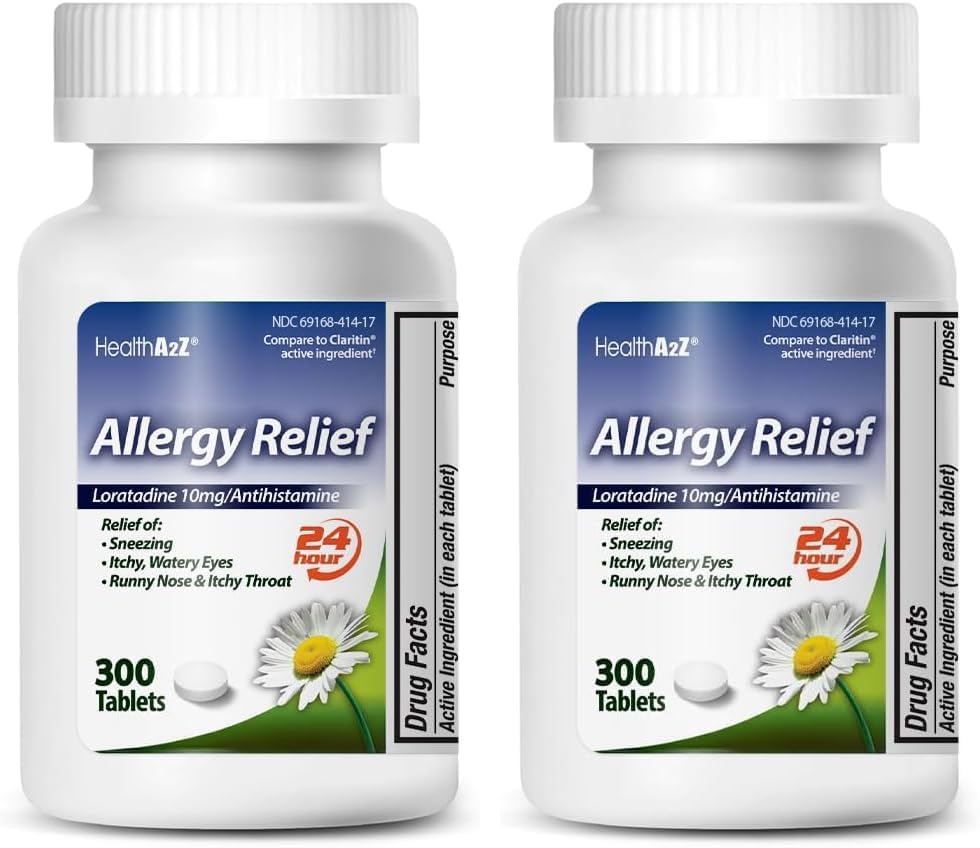
Loratadine (Claritin)
Loratadine is a milder, long-acting antihistamine.
- Pros: Exceptionally well-tolerated with very low side-effect profiles. Excellent for mild, baseline symptom management.
- Cons: Takes longer to reach peak efficacy and may not be strong enough for individuals with severe cat allergies.
2. Corticosteroid Nasal Sprays — Best for Congestion
If your primary reaction to cat dander is a chronically stuffy nose, sinus pressure, or post-nasal drip, oral antihistamines often fall short. Intranasal corticosteroids address these specific issues by reducing swelling directly in the nasal cavity.
Fluticasone Propionate (Flonase)
Flonase works by targeting multiple inflammatory substances, not just histamine.
- How to Use: Administered as a daily spray into each nostril.
- Clinical Efficacy: Intranasal corticosteroids are clinically proven to be the most effective single maintenance therapy for allergic rhinitis (Mayo Clinic).
- Important Note: Nasal sprays are preventative, not immediate. They require consistent, daily use over several days to build up their anti-inflammatory effect in the nasal tissue.
3. Antihistamine Eye Drops — Best for Itchy, Red Eyes
Cat allergens are highly airborne and frequently settle directly onto the conjunctiva (the clear membrane covering the white part of your eye). When this happens, oral medications may not reach the localized area fast enough.
Olopatadine (Pataday)
Originally available only by prescription, olopatadine is a dual-action mast cell stabilizer and antihistamine.
- Targeted Relief: Neutralizes histamine precisely where the physical irritation occurs, reducing redness and stopping the urge to rub your eyes.
- Onset: Provides relief within minutes of application.
- Usage: Available in once-daily or twice-daily concentrations depending on the severity of your reaction.
Immunotherapy (Allergy Shots): The Long-Term Alternative
For cat owners who suffer from severe symptoms despite utilizing OTC medications, environmental controls, and allergen-reducing cat foods, allergen immunotherapy is the next clinical step.
Administered by an allergist, immunotherapy involves regular subcutaneous injections of purified cat allergen extracts. Over a period of three to five years, these micro-doses train the immune system to tolerate the Fel d 1 protein rather than attack it. While it requires a significant time commitment, immunotherapy is currently the only medical intervention capable of permanently altering the underlying immune disease (Asthma and Allergy Foundation of America).
Maximizing Relief: The Layered Approach
Medication treats the symptom, not the source. For long-term comfort living with a cat, medication should be viewed as one pillar of a broader management strategy:
- Address the Air: Keep ambient allergen levels low by running a dedicated HEPA filter in common areas. (See our guide to the best air purifiers for cat allergies).
- Address the Cat: Transition your cat to an anti-Fel d 1 diet to reduce the volume of active allergen they shed.
- Address the Symptoms: Use a daily second-generation oral antihistamine for baseline management, supplementing with nasal sprays or eye drops for localized flare-ups.
Best Allergy Medication for Cat Owners
Frequently Asked Questions
Can I take an oral antihistamine and a nasal spray at the same time?
Yes. It is common clinical practice to combine an oral antihistamine (like Zyrtec or Allegra) with a localized corticosteroid nasal spray (like Flonase) for moderate to severe allergies, as they process through different mechanisms in the body. Always consult with a pharmacist or physician regarding your specific health profile.
Do allergy medications stop working over time?
Patients frequently report "antihistamine tolerance," where a medication seems to lose its effectiveness after prolonged use. While true biological tolerance to second-generation antihistamines is highly debated in clinical immunology, allergists often recommend switching to a different active ingredient (e.g., switching from loratadine to fexofenadine) for a few months if you notice a drop in efficacy.
Are there side effects to long-term antihistamine use?
Second-generation OTC antihistamines are generally recognized as safe for long-term, daily use. They do not carry the significant risks of long-term sedation, cognitive impairment, or dry mouth associated with first-generation antihistamines (like diphenhydramine).
Final Summary
- For general daytime relief without drowsiness: Select Fexofenadine (Allegra).
- For severe symptoms and intense itching: Select Cetirizine (Zyrtec).
- For chronic sinus congestion: Implement a daily corticosteroid like Fluticasone (Flonase).
Disclaimer: The information provided in this guide is for educational purposes only and does not constitute professional medical advice. Always consult with a qualified healthcare provider or board-certified allergist before starting a new medication regimen.