Allergen-Proof Pillow and Mattress Covers for Cat Owners: Do They Help?
Do allergen-proof bedding covers help with cat allergies? What they do, what to look for, and how to combine them with other steps.
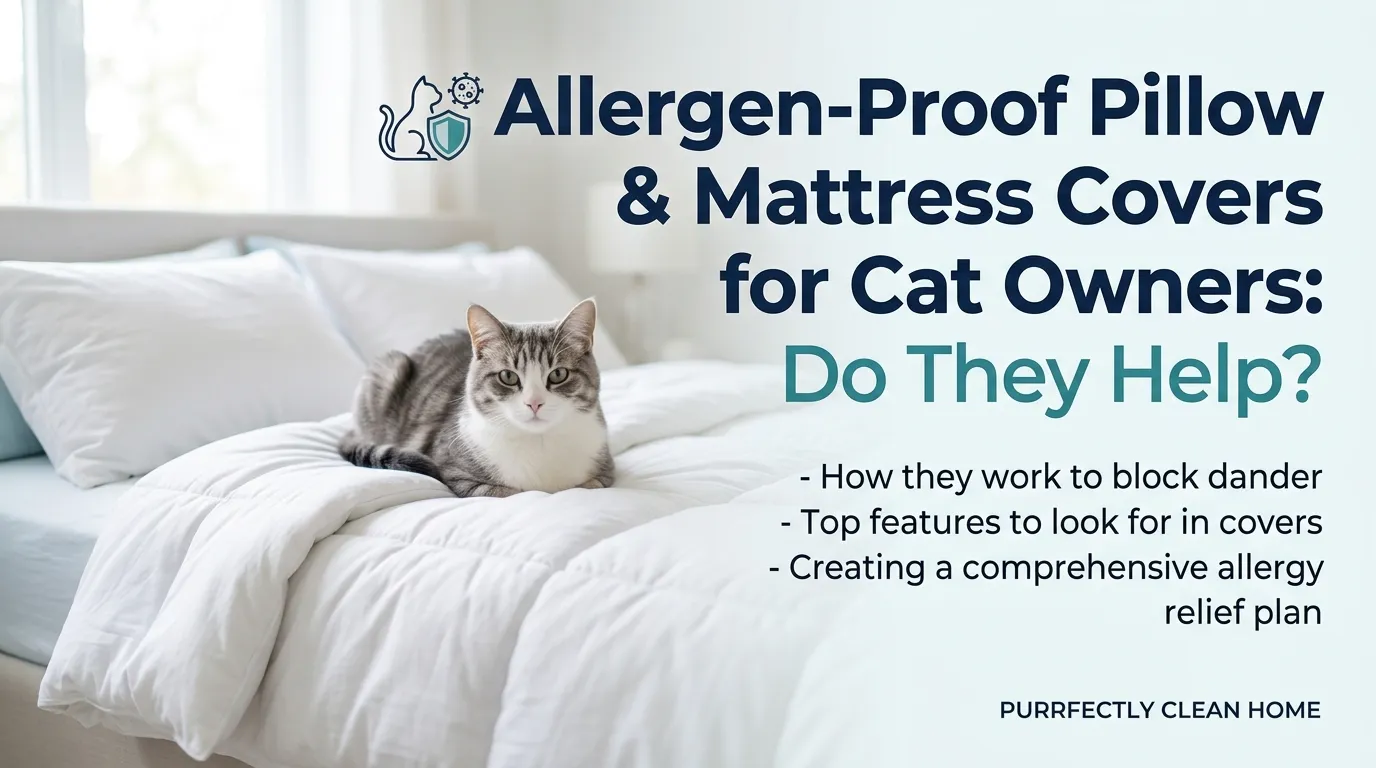
If you are wondering whether allergy pillow covers cat allergy encasements genuinely work, the direct answer is that zippered covers provide an effective physical barrier between your respiratory tract and dander reservoirs trapped inside your bed. However, it is important to be clear about the clinical evidence: most formal medical research on allergen-barrier encasements focuses on dust mites, meaning their specific benefits for feline allergens are biologically plausible and mechanically sound, but less extensively studied in dedicated clinical trials.
For anyone who loves their cat but wakes up with congested sinuses, scratchy eyes, or wheezing, the bed is the most vulnerable battleground in the home. You spend roughly 50 to 60 hours every week in bed. Because fabrics naturally trap airborne dust and microscopic animal proteins, an unprotected mattress and pillow set quickly becomes a massive allergen sponge.
In this guide, we examine why bedding matters for cat allergy sufferers, what technical features to look for in protective encasements, proper laundering protocols, and how to integrate bedding protection into a broader allergen management plan.
Why Bedding Matters: The 8-Hour Exposure Window
To understand why protective encasements are so valuable, you must examine how feline allergens behave in indoor environments.
As detailed in our medical breakdown on what causes cat allergies, human immune reactions are driven primarily by Fel d 1, a 35 kDa secretoglobin glycoprotein produced in feline saliva, sebaceous (skin) glands, and tears. Fel d 1 accounts for up to 95% of all human feline allergic responses.
+--------------------------------------------------------------------------+
|                     HOW BEDDING BECOMES AN ALLERGEN TRAP                 |
|                                                                          |
|  1. Fine dander (2–10 microns) floats in indoor air for hours.           |
|  2. Particles settle deep into open weaves of mattresses and pillows.    |
|  3. Every shift or turn creates a "bellows effect," pumping settled      |
|     proteins directly into your nose, eyes, and mouth while you sleep.   |
+--------------------------------------------------------------------------+
- Microscopic Aerodynamic Mass: Cat dander particles measure between 2 and 10 microns in diameter, with fine particles under 5 microns remaining airborne for hours.
- Deep Textile Penetration: Because traditional woven fabrics feature loose microscopic gaps between threads (often 20 to 50 microns wide), settled dander flakes slip deep into mattress foam, pillow batting, and box springs.
- The "Bellows Effect": Every time you shift position, roll over, or fluff your pillow, your body compresses the mattress and cushion like a bellows. This action puffs settled dander straight out of the fabric and into your breathing zone, causing acute overnight cat allergy symptoms.
What to Look For in Cat Allergen Bedding Covers
Not all mattress and pillow protectors provide true allergen-barrier defense. Many cheap mattress pads are merely water-resistant sheets that snap around the edges, leaving the sides and bottom exposed. When shopping for allergy protection based on manufacturer specs and published ratings, look for these core features:
1. Full 6-Sided Zippered Encasement
A fitted mattress sheet or mattress topper is insufficient. You need a full 6-sided zippered encasement that completely encloses the top, bottom, and all four sides of the mattress and pillow. Look for an internal zipper flap (a fabric baffle behind the zipper teeth) that prevents microscopic dander from leaking through the zipper track.
2. Tight Weave (Pore Size Under 5 to 6 Microns)
The density of the textile weave determines its ability to block microscopic animal proteins:
- Pore Size Under 5 to 6 Microns: Essential to physically trap Fel d 1-carrying dander flakes (which measure 2 to 10 microns).
- Woven Microfiber vs. Plastic Laminate: Modern tightly woven polyester or micro-cotton barriers block particles mechanically without plastic backings. Older vinyl or laminated plastic covers are completely impermeable to air, causing heat buildup and loud crinkling noises.
3. Breathability and Vapor Permeability
A high-quality encasement must allow water vapor to escape while keeping solid particles locked inside. Without good vapor permeability, body heat and perspiration become trapped against your sheets, creating a humid microclimate that can encourage mold growth and ruin your sleep comfort.
4. Machine Washability and Durability
Because encasements must withstand regular wash cycles without degrading their tight thread alignment or seam integrity, choose durable synthetic microfibers or reinforced cotton blends that tolerate high-temperature laundering.
Recommended Allergen-Proof Bedding Encasements
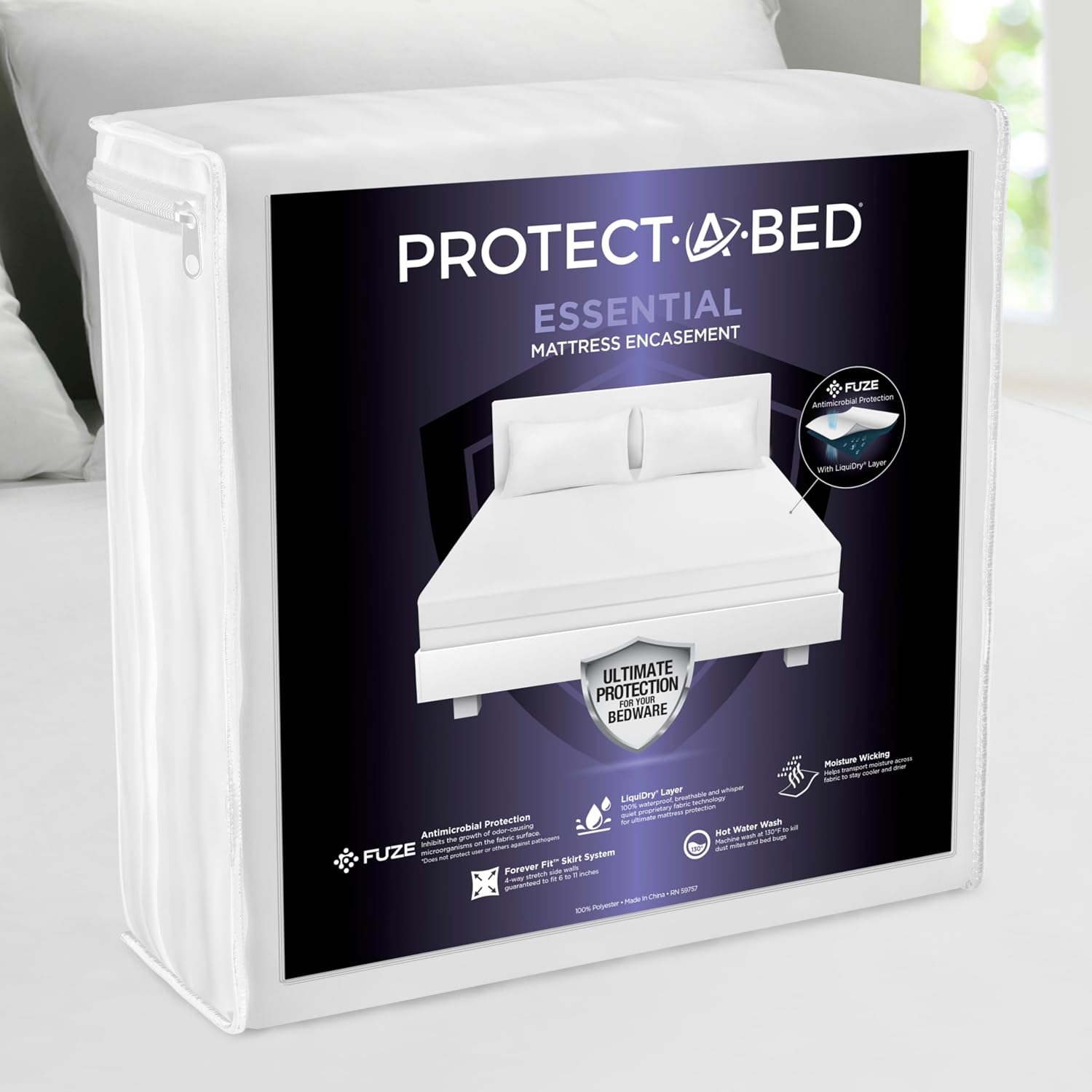
The following mattress and pillow encasements combine certified microscopic pore barriers, full 6-sided zipper seals, and quiet, breathable fabrics based on manufacturer specs and published ratings.
Protect-A-Bed AllerZip Smooth Pillow Protector — Best Zippered Pillow Encasement
The Protect-A-Bed AllerZip Smooth Pillow Protector provides complete 6-sided encasement designed specifically to create an impermeable barrier between your airways and allergen reservoirs trapped within pillow batting.
Key Highlights
- Full Zippered Encasement: Features Protect-A-Bed's patented Miracle Membrane and three-sided zipper system with a secure seal flap to prevent microscopic dander leakage.
- Effective Allergen Barrier: Blocks microscopic feline dander, salivary proteins, and dust mites from migrating into or out of your pillow.
- Smooth, Breathable Surface: Constructed from a soft, quiet fabric that avoids the crinkly plastic noise and heat retention common to low-grade covers.
- Certified Protection: Certified asthma & allergy friendly® and fully machine washable for routine allergen maintenance.
Pros
- True complete encasement with secure zipper closure.
- Waterproof barrier protects against spills, saliva, and moisture.
- Silent and breathable beneath standard pillowcases.
Cons
- Requires careful low-heat tumble drying to protect the internal barrier membrane.
Bedding Care and Laundering: The High-Heat Standard
Putting an allergen-proof cover on your bed is only half the battle; external sheets, pillowcases, and blankets still collect floating dander from the room air. To maintain a truly low-allergen bed, follow this strict laundering protocol:
+--------------------------------------------------------------------------+
|                  ALLERGY BEDDING LAUNDERING PROTOCOL                     |
|                                                                          |
|  [Water Temperature]   >= 130°F (54°C) or higher                         |
|  [Mechanism]           Denatures secretoglobin protein bonds             |
|  [Frequency]           Weekly for exterior sheets and pillowcases        |
|  [Encasements]         Every 2–3 months (or after direct contact)        |
+--------------------------------------------------------------------------+
The 130°F (54°C) Washing Rule
Cold or warm water alone removes surface dirt, but it does not denature proteins effectively. Feline Fel d 1 is a sturdy, water-soluble secretoglobin that breaks down when exposed to sustained high temperatures.
- Always wash sheets, duvets, and pillowcases at at least 130°F (54°C) or higher.
- If your home water heater is set lower for child safety, use a washing machine with an internal sanitary heater cycle, or run a high-heat tumble dry cycle for at least 30 to 45 minutes after washing.
Cleaning the Encasements Themselves
Because the zippered mattress encasement sits protected underneath your fitted sheet, it does not need weekly laundering. In fact, unzipping and wrestling a heavy mattress encasement off the bed every week can release trapped dander into the air.
- Wash zippered mattress encasements every 2 to 3 months, or wipe down the top surface with a damp microfiber cloth during weekly sheet changes.
- Wash zippered pillow protectors once a month.
Keeping the Cat Out of the Bed and Bedroom
Even the most technologically advanced allergen-barrier covers cannot protect your lungs if an active cat sleeps on top of your blanket:
- The Bedroom Off-Limits Rule: Keep the bedroom door permanently closed at all times. Allowing your cat to nap on your bed transfers fresh, concentrated salivary allergens straight onto your sleeping surface.
- Providing Cozy Alternatives: If your cat is accustomed to sleeping with you, transitioning them to another room requires providing appealing alternative sleeping spots. Place heated cat beds, elevated perches, or cozy blanket nests in the living room or hallway to ease the transition.
- If You Must Co-Sleep: If keeping the cat out of the bedroom is impossible, place a dedicated "cat blanket" over the foot of the bed during the day, removing and laundering it frequently. However, allergy sufferers should recognize that co-sleeping makes complete symptom relief nearly impossible.
For an in-depth exploration of navigating pet ownership with allergies, read our guide on can I keep my cat if I'm allergic.
The Limits of Bedding Covers: A Supportive Defense
While allergen-proof encasements are an essential non-pharmaceutical defense, they are not a cure for feline allergies:
- They Only Protect the Bed: An encasement does nothing to clear dander floating in the air, settled on bedroom rugs, or clinging to your clothes.
- They Do Not Replace Medical Care: If you experience chronic sinusitis, asthma flares, or severe hives, bedding covers should support—not replace—professional medical guidance. Consult a board-certified allergist for formal diagnosis and evidence-based treatment plans such as targeted antihistamines, nasal corticosteroids, or allergen immunotherapy.
- They Require Environmental Backup: To experience genuine overnight relief, encasements must be paired with continuous True HEPA air filtration—as outlined in our review of the best air purifiers for cat allergies—and systematic home hygiene detailed in our master guide on how to reduce cat allergens at home.
Key Takeaways
- Plausible Physical Barrier: Allergen-proof bedding covers trap settled dander inside mattresses and pillows. While most clinical research focuses on dust mites, their mechanical barrier benefits for cat dander are biologically sound.
- Demand 6-Sided Zippered Encasements: Only full zippered covers with tight microscopic weaves (under 5 to 6 microns) prevent the "bellows effect" from pumping dander into your breathing zone.
- Avoid Vinyl and Plastic: Modern woven microfiber encasements provide quiet, breathable protection without trapping body heat or making crinkling noises.
- Wash at 130°F (54°C) or Higher: Water temperatures of 130°F or higher are necessary to denature secretoglobin proteins and dissolve water-soluble Fel d 1 from sheets and blankets.
- Enforce a Cat-Free Bedroom: Encasements cannot protect you if your cat sleeps directly on your pillows. Keep the bedroom door closed 24/7 to create an allergen-free sanctuary.
Sources
- Bonnet, B., et al. (2018). "An update on molecular cat allergens: Fel d 1 and beyond." Allergy, Asthma & Clinical Immunology, 14, 7.
- American College of Allergy, Asthma & Immunology (ACAAI). "Environmental Control Guidelines for Household Allergens."
- American Academy of Allergy, Asthma & Immunology (AAAAI). "Mattress Encasements and Allergen Avoidance: Clinical Practice Guidelines."
- Custovic, A., et al. (1998). "Distribution and aerodynamic characteristics of cat allergen Fel d 1 in homes." Journal of Allergy and Clinical Immunology, 102(4), 607–612.