Are Ragdolls Hypoallergenic? What Allergy Sufferers Should Know
Ragdolls are calm and fluffy, but are they hypoallergenic? What the claims get wrong and how to test a Ragdoll before adopting.
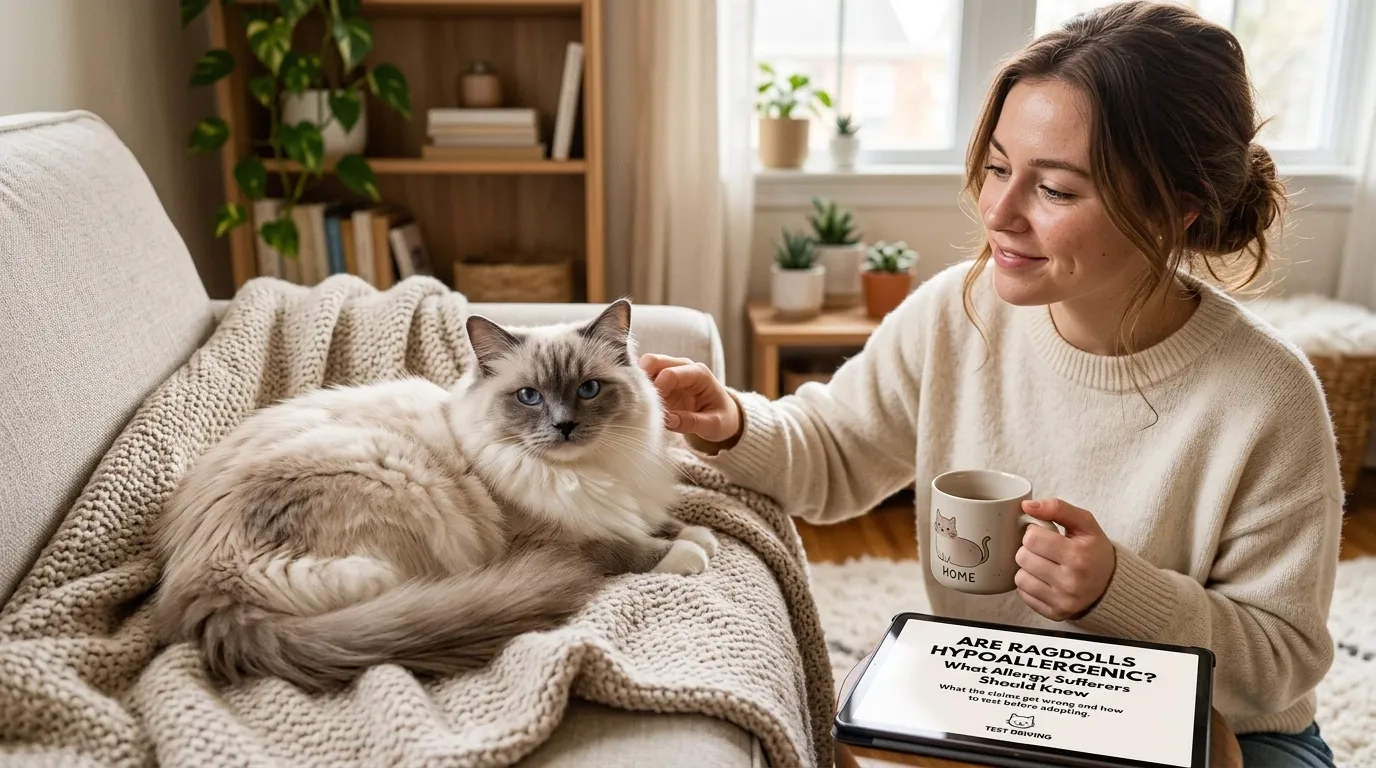
If you are wondering whether are ragdoll cats hypoallergenic, the direct answer is no: Ragdoll cats are not allergen-free, and no scientific evidence supports claims that they produce fewer allergens. While commercial sellers often highlight their silky coat and lack of a thick undercoat, Ragdolls still synthesize and shed standard levels of Fel d 1, the primary protein responsible for cat allergies.
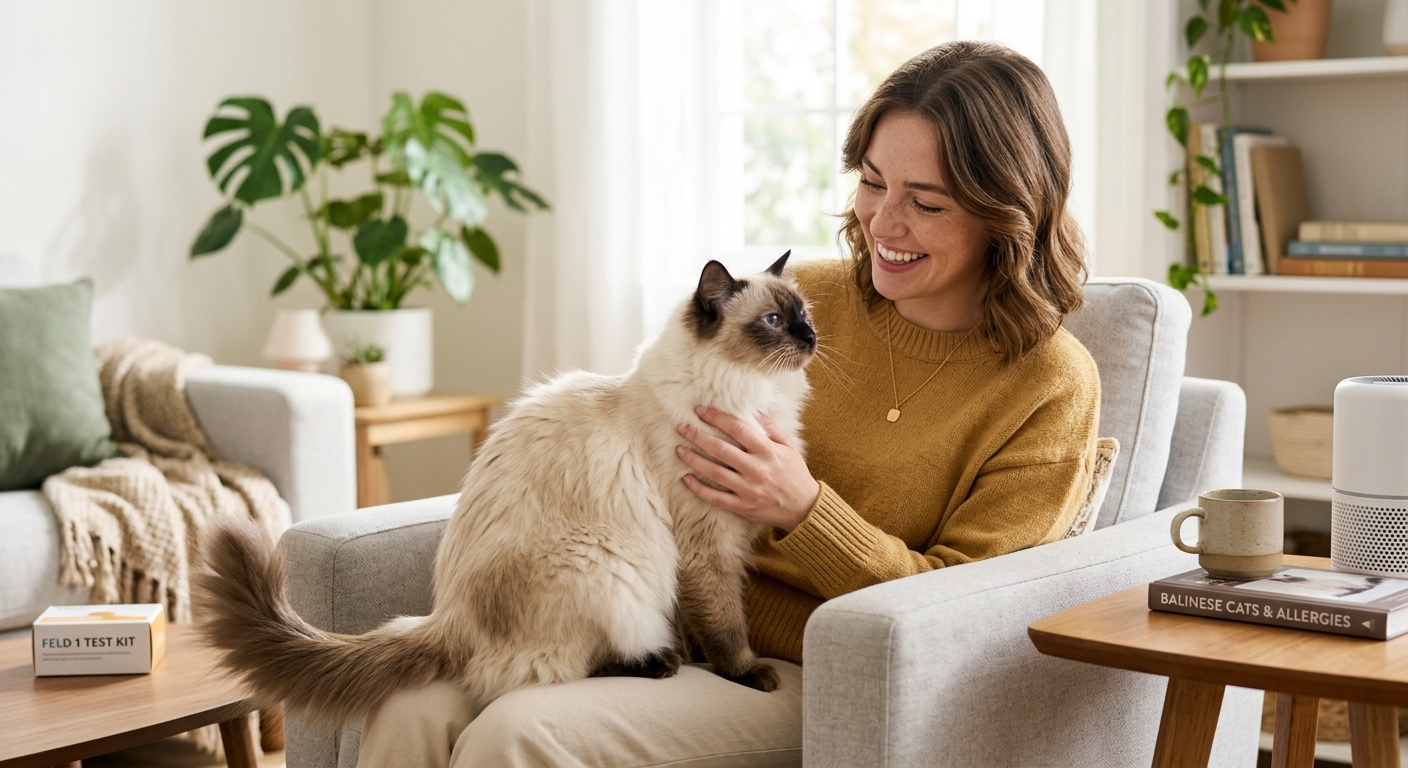
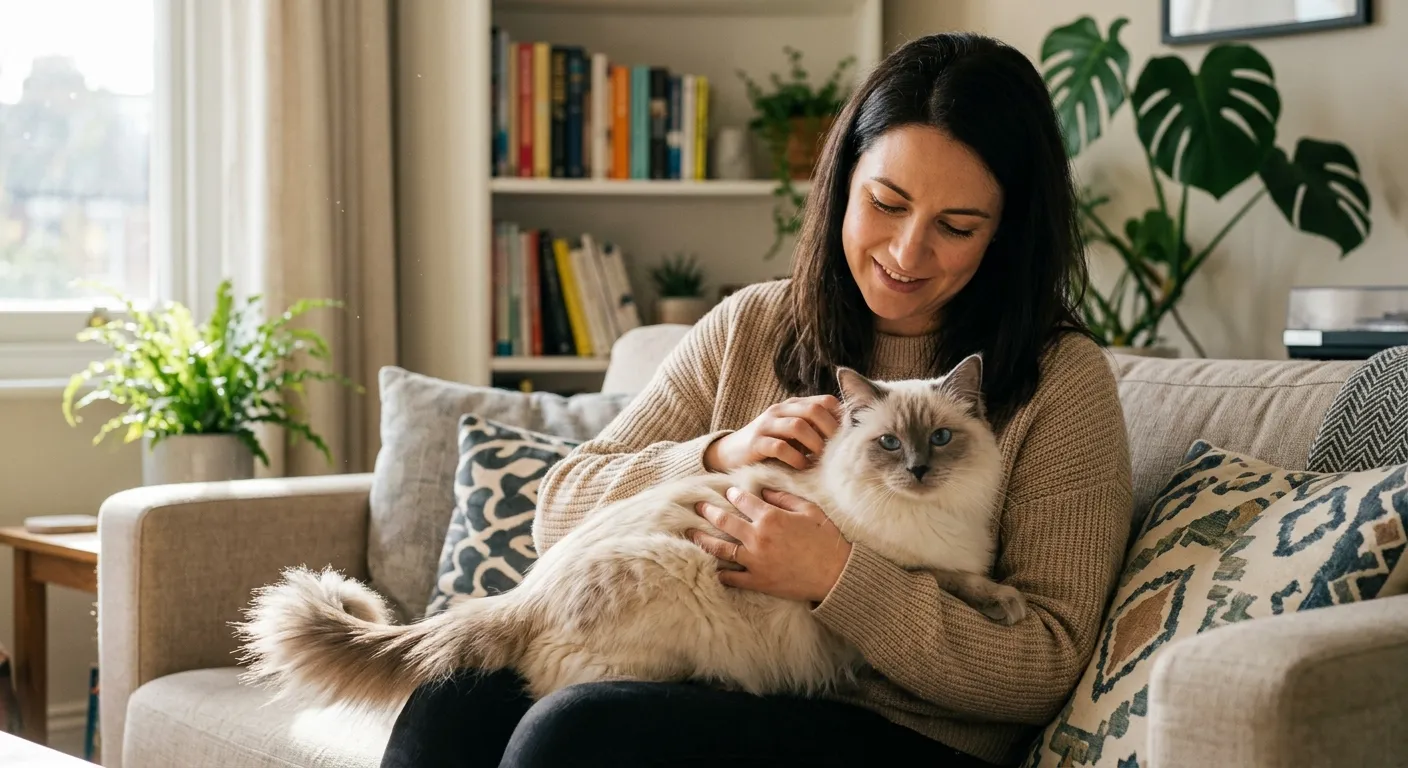
With their striking blue eyes, semi-long plush fur, and docile, affectionate temperaments, Ragdolls are one of the most beloved cat breeds in the world. Their tendency to go completely limp in your arms like a child's ragdoll makes them irresistibly cuddly. Unfortunately, this very desire for close physical contact often makes them particularly challenging for allergic pet owners.
In this guide, we evaluate common marketing claims surrounding Ragdoll allergenicity, examine what feline immunology reveals about their coat and dander, explain why their affectionate nature increases exposure, and outline how to safely test your tolerance before adopting.
Quick Summary: The Ragdoll Allergy Reality
| Trait | Ragdoll Reality | Allergy Impact & Significance |
|---|---|---|
| Fel d 1 Production | Standard biological baseline | Protein is present in saliva, skin glands, and tears; no genetic reduction |
| Coat Structure | Semi-long, plush, silky single coat | Minimal dense undercoat; sheds moderately to heavily year-round |
| Shedding Volume | Moderate to High | Shed hairs carry dried salivary Fel d 1 onto furniture and bedding |
| Grooming Demands | Moderate (comb 1–2 times weekly) | Less prone to severe mats, but loose hair still releases dander into air |
| Temperament | Extremely affectionate, docile, cuddly | High direct contact; loves being held, increasing localized facial exposure |
| Scientific Evidence Level | Unsupported | No peer-reviewed data supporting lower allergenicity in Ragdolls |
The Ragdoll Coat: Semi-Long, Silky, and Shedding Reality
Developed in California during the 1960s by breeder Ann Baker, the Ragdoll was created by crossing free-roaming domestic longhairs with seal-point cats.
A common talking point among Ragdoll breeders is the unique architecture of their coat:
- The "Non-Matting" Single Coat: Unlike Persians or Maine Coons, which have heavy woolly undercoats, Ragdolls possess primarily guard and awn hairs with a minimal, fine undercoat. Their fur feels remarkably soft and silky, resembling rabbit fur.
- The Shedding Reality: While the lack of a heavy undercoat means their fur mats less easily, Ragdolls still shed substantial amounts of hair. During seasonal coat changes in the spring and fall, Ragdolls release significant volumes of loose fur. Every shed hair carries dried salivary proteins that detach and become airborne throughout your home.
Deconstructing Breeder Marketing Claims
Because Ragdoll kittens command high prices, unethical breeders and uninformed online articles frequently market them using misleading "hypoallergenic" buzzwords.
+--------------------------------------------------------------------------+
|                  COMMON RAGDOLL MARKETING MYTHS VS. REALITY              |
|                                                                          |
|  [Myth] "No undercoat means no allergies."                               |
|  [Fact] Allergens come from saliva and skin dander, not the undercoat.   |
|                                                                          |
|  [Myth] "Ragdolls produce lower levels of Fel d 1."                      |
|  [Fact] Zero published scientific studies support this claim.            |
|                                                                          |
|  [Myth] "Ragdolls are safe for people with asthma."                      |
|  [Fact] Microscopic dander easily penetrates lower airways.              |
+--------------------------------------------------------------------------+
Claim 1: "They lack an undercoat, so they don't produce dander."
The Reality: Dander has nothing to do with hair layers. Dander consists of microscopic dead skin cells that slough off naturally as part of normal epidermal turnover. A cat with no undercoat sheds dead skin at the exact same biological rate as a cat with three coat layers.
Claim 2: "Ragdolls naturally secrete less salivary Fel d 1."
The Reality: While certain lines of Siberian cats possess documented genetic variations in the Ch1 and Ch2 genes coding for Fel d 1, no peer-reviewed laboratory study has ever found a genetic suppression of Fel d 1 in Ragdolls. Ragdolls produce normal baseline concentrations of the allergen.
Claim 3: "Their fur traps allergens, keeping your air clean."
The Reality: While plush fur can hold dander against the skin temporarily, that dander dislodges the moment the cat shakes, walks, or is petted.
What the Evidence Supports: The Science of Fel d 1
To understand why Ragdolls trigger allergic reactions, you must look at the biochemical mechanisms of feline allergens:
- Fel d 1 Distribution: Up to 95% of human feline allergies are driven by Fel d 1, a 35 kDa secretoglobin protein produced in feline salivary, sebaceous (skin), and lacrimal (tear) glands.
- Grooming Transfers Saliva: Ragdolls are fastidious self-groomers. As they lick their coats, salivary Fel d 1 coats the fur. When the saliva dries, the protein crystallizes on loose hairs and microscopic dander flakes.
- Aerodynamic Behavior: Feline dander particles measure between 2 and 10 microns in diameter, with fine particles under 5 microns remaining suspended in household air currents for hours. When inhaled by allergic individuals, these microscopic proteins bind to specific IgE antibodies, triggering histamine release, airway inflammation, coughing, sneezing, and itchy eyes.
Individual allergen output varies based on hormones and genetics: intact males produce the highest Fel d 1 concentrations because testosterone stimulates sebaceous glands, neutering significantly lowers production, and females generally produce the lowest baseline levels.
Temperament and Allergies: Why the "Lap Cat" Trait Matters
The Ragdoll's personality is legendary. They are gentle, placid, and deeply affectionate companions who follow their owners from room to room like puppies. When picked up, they relax completely, resting their head against your shoulder or chest.
However, for an allergic person, this temperament significantly increases allergen exposure:
- Direct Facial Contact: Ragdolls love being held close to human faces. When an allergic person holds a 15-pound cat against their neck, they inhale concentrated dander directly from the fur.
- Lap Lounging: Ragdolls spend hours curled on their owners' laps. This transfers salivary proteins and sebaceous dander directly onto clothing, which you then carry throughout the house.
- Sleeping in Your Bed: Ragdolls strongly desire to sleep next to their humans. Allowing a Ragdoll into the bedroom deposits dander straight into pillows and duvets, causing severe overnight congestion.
If you bring a Ragdoll home, you must be prepared to set firm physical boundaries—such as washing your hands after petting and keeping the bedroom strictly off-limits—despite their adorable pleading for cuddles.
Safe Testing Protocol: How to Evaluate Your Sensitivity
Because human immune thresholds vary and individual cats produce different amounts of Fel d 1, you should never adopt a Ragdoll based on assumptions. Follow this structured trial protocol:
Step 1: Clinical Testing (Visit an allergist for specific IgE blood testing)
                            │
                            ▼
Step 2: Adult Cattery Challenge (Spend 2–3 hours with mature Ragdolls)
                            │
                            ▼
Step 3: At-Home Scent Trial (Sleep near a dander-rubbed cloth for 48 hours)
                            │
                            ▼
Step 4: Environmental Prep (HEPA air purifiers, closed bedroom, clean home)
- Get Clinically Tested First: Before visiting breeders, consult an allergist for skin-prick or specific IgE blood testing, as outlined in our guide on cat allergy testing. Understanding your baseline sensitivity helps you assess your real medical risk.
- The Adult Cattery Challenge: Arrange to spend at least 2 to 3 hours inside a registered Ragdoll cattery interacting directly with adult cats. Never test your tolerance around 8-week-old kittens, as kittens produce significantly lower allergen concentrations than mature adults. Refrain from taking antihistamines before the visit to get an accurate reading.
- The At-Home Cloth Test: Ask the breeder to rub a clean cotton towel or t-shirt thoroughly over adult breeding cats and seal it in a zip-top bag. Sleep near the cloth for 24 to 48 hours to monitor for delayed respiratory reactions.
To evaluate your sensitivity severity and risk level before adopting, take our interactive allergy quiz.
Environmental Controls: Managing Ragdoll Dander at Home
If you decide to adopt a Ragdoll despite having mild allergies, implementing proactive environmental defenses is essential:
- Continuous True HEPA Air Filtration: Place True HEPA air purifiers in main living spaces and bedrooms. Certified HEPA filters capture 99.97% of airborne particles down to 0.3 microns, scrubbing buoyant dander from indoor air.
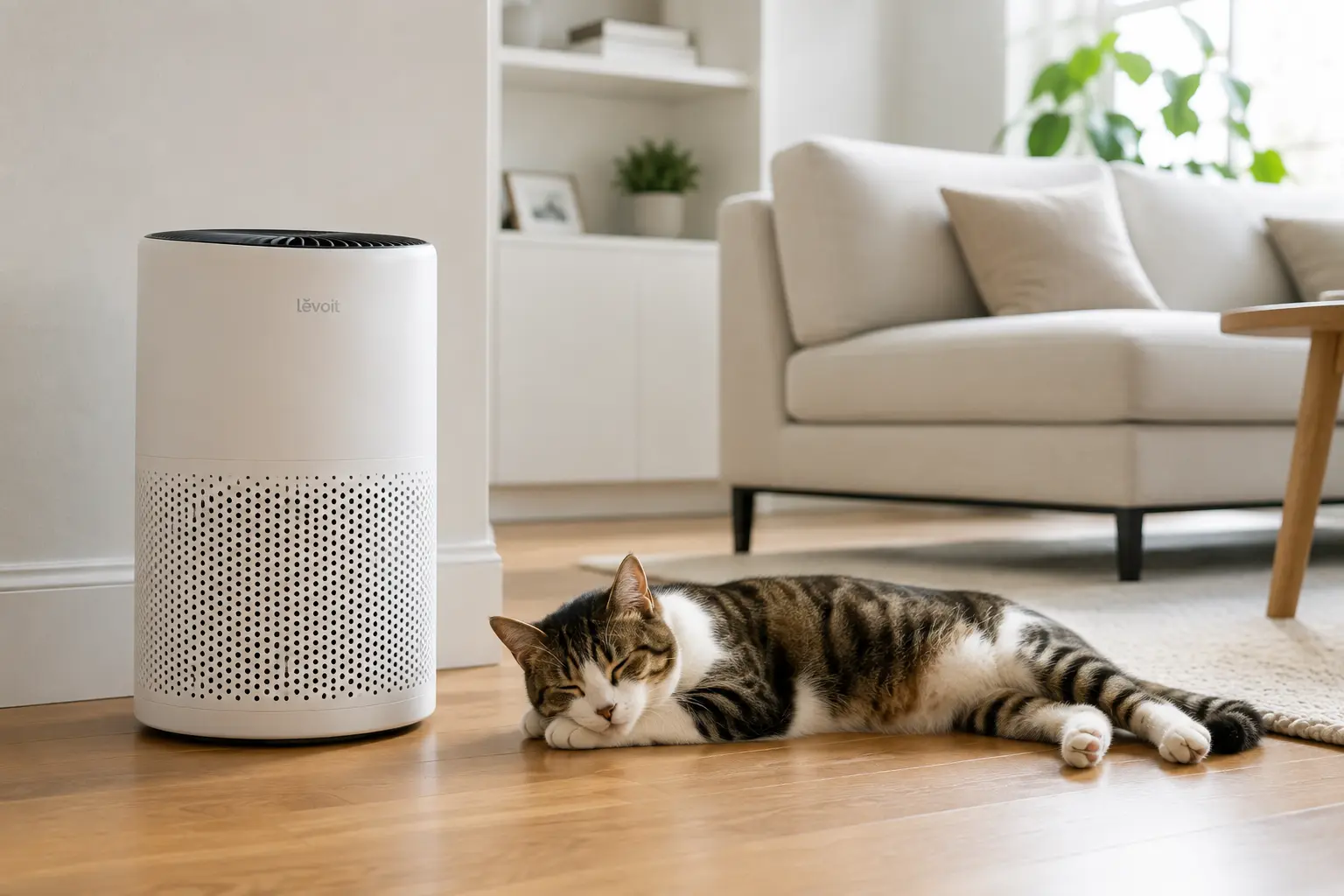
- Maintain a Pet-Free Bedroom: Keep your bedroom permanently off-limits. Because you spend roughly a third of your life sleeping, maintaining an allergen-free sanctuary gives your airways 7 to 8 hours of uninterrupted rest every night.
- High-Temperature Laundry: Wash blankets, clothing, and slipcovers regularly in water heated to at least 130°F (54°C) to denature secretoglobin proteins and dissolve water-soluble dander.
- Comprehensive Home Protocols: Follow our full blueprint on how to reduce cat allergens at home.
If you need a breed with a higher probability of biological tolerance, explore proven low-allergen options in our master guide to the best hypoallergenic cat breeds.
Key Takeaways
- Ragdolls Are Not Hypoallergenic: They produce standard levels of the Fel d 1 allergen in their saliva, skin oils, and tears.
- Lacking an Undercoat Does Not Stop Allergens: While their single coat mats less, they still shed hair and continuously slough microscopic dander flakes.
- Affectionate Nature Increases Exposure: Their desire to be held, cuddled, and carried transfers concentrated allergens directly to your face and clothing.
- Marketing Claims Are Unsubstantiated: Zero scientific research supports claims that Ragdolls have lower allergen levels than standard cats.
- Test Before You Adopt: Spend multi-hour sessions around mature adult Ragdolls and perform an at-home cloth trial before committing to adoption.
Sources
- Bonnet, B., et al. (2018). "An update on molecular cat allergens: Fel d 1 and beyond." Allergy, Asthma & Clinical Immunology, 14, 7.
- Cat Fanciers' Association (CFA). "Ragdoll Breed Profile and Championship Standard."
- The International Cat Association (TICA). "Ragdoll Breed Standard and History."
- American Academy of Allergy, Asthma & Immunology (AAAAI). "Pet Allergens: Exposure, Mechanisms, and Environmental Mitigation."