Oriental Shorthair and Allergies: What the Evidence Actually Says
Oriental Shorthairs often appear on low-allergen lists. We look at the coat, the evidence, the personality, and how to test one safely.
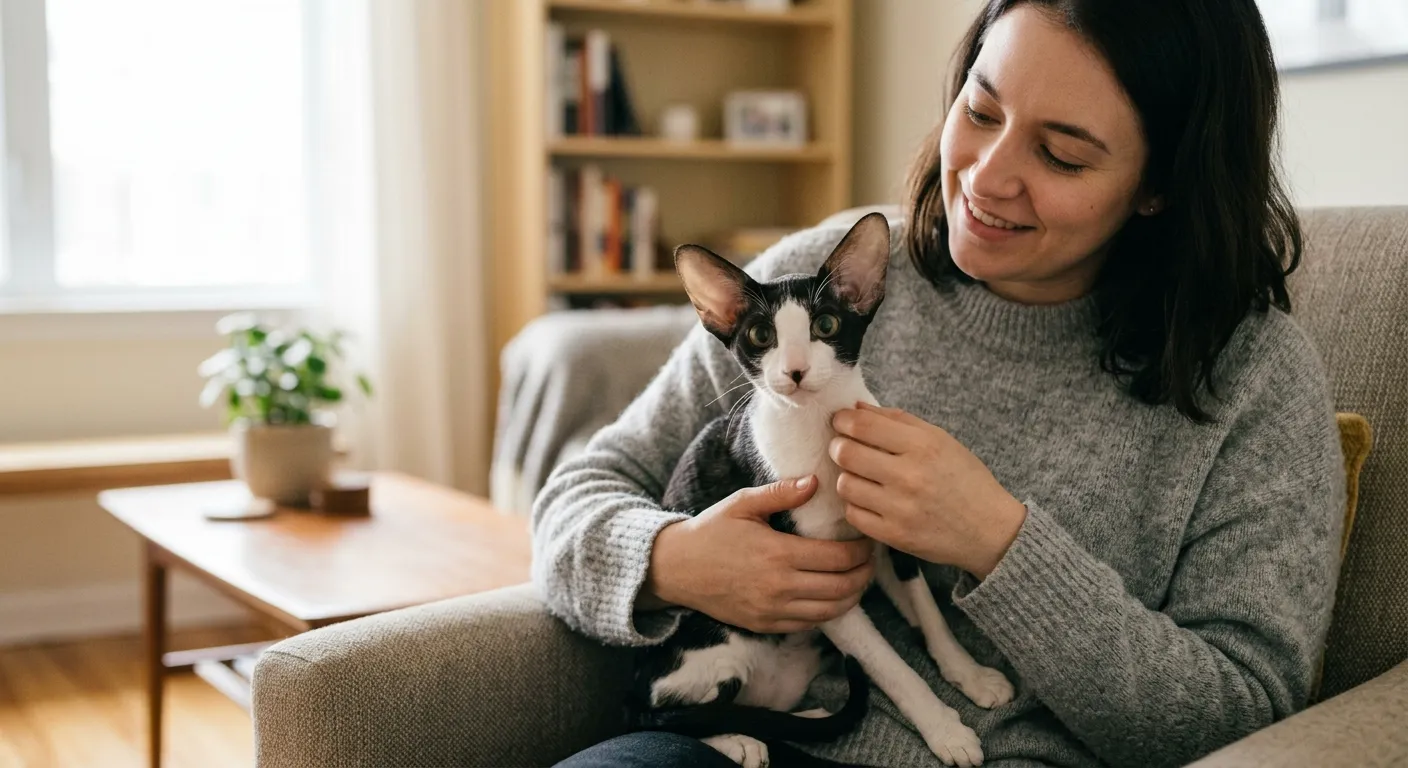
If you are researching whether the oriental shorthair hypoallergenic reputation is accurate, the direct answer is no: Oriental Shorthairs are not allergen-free, and their short coat does not make them low-allergen. While their sleek, fine fur sheds noticeably less than standard domestic cats, Oriental Shorthairs produce normal baseline levels of Fel d 1, the primary protein responsible for human cat allergies.
With their elongated bodies, dramatic triangular head shapes, and prominent flared ears, Oriental Shorthairs resemble feline aristocrats. Because they shed lightly and lack heavy undercoats, they frequently appear on internet roundups recommending low-allergen cats. However, prospective owners must separate real-world grooming convenience from biological allergen production before welcoming one into their home.
In this guide, we evaluate what scientific evidence actually says about Oriental Shorthairs and Fel d 1, examine their coat and grooming requirements, explore their intensely demanding personality, and outline how to safely test your tolerance before adopting.
Quick Summary: The Oriental Shorthair Allergy Profile
| Diagnostic & Lifestyle Trait | Oriental Shorthair Reality | Allergy Significance & Impact |
|---|---|---|
| Fel d 1 Production | Standard biological baseline | Protein is present in saliva and skin glands; no genetic reduction |
| Coat Architecture | Ultra-short, fine, glossy single coat | Lacks a dense undercoat; sheds very little visible hair |
| Shedding Volume | Low | Fewer loose hairs acting as mechanical carriers for dried saliva |
| Grooming Needs | Very low (occasional brushing or wiping) | Minimal maintenance; rarely produces grooming-related dander clouds |
| Temperament & Vocalization | Extremely social, vocal, demanding | Craves constant attention; loud meows may be an issue in apartments |
| Scientific Evidence Level | Anecdotal / Limited | No peer-reviewed genetic validation comparable to Siberian research |
What Is an Oriental Shorthair?
The Oriental Shorthair is a member of the Siamese breed family, developed in England and the United States in the mid-twentieth century. Following World War II, cat breeders crossed Siamese felines with domestic shorthairs, Abyssinians, and Russian Blues to create a cat with the elegant, svelte body of the Siamese but in a rainbow of non-pointed colors and patterns.
Major registries, including the Cat Fanciers' Association (CFA) and The International Cat Association (TICA), recognize the Oriental Shorthair as a distinct championship breed.
Physical Profile and Coat Architecture
Visually, the Oriental Shorthair is long, svelte, and tubular, with fine boning, delicate legs, an elongated whip-like tail, and large, flared ears framing a triangular wedge-shaped head. While Siamese cats only come in pointed patterns with blue eyes, Oriental Shorthairs are recognized in over 300 color and pattern combinations—including solid ebony, chestnut, lavender, smoke, shaded, and tabby—typically accompanied by vivid green eyes.
Their coat is their defining physical feature for allergy sufferers:
- Ultra-Short and Glossy: The fur lies completely flat against the body like polished satin.
- Absence of a Woolly Undercoat: Oriental Shorthairs have virtually no insulating down undercoat.
- Single-Layer Texture: Much like their long-haired relative, the Balinese cat, their coat lacks the heavy, woolly layers that molt profusely during seasonal coat transitions.
While their physical beauty is undeniable, prospective owners must remember that coat texture does not alter the biochemical triggers of feline allergies.
Why They Appear on "Hypoallergenic" Lists vs. What Research Shows
Why does the Oriental Shorthair consistently appear on lists of hypoallergenic cats? The answer comes down to internet word-of-mouth rather than veterinary immunology.
The Source of the Reputation
Most pet websites label Oriental Shorthairs as hypoallergenic simply because they shed very little hair. The popular assumption is that if a cat leaves less fur on your sofa, you will have fewer allergies. Additionally, because they are closely related to the Balinese (which has a historical reputation for lower allergen production), some online forums incorrectly assume all Siamese-family breeds share suppressed protein synthesis.
What the Research Actually Proves
When evaluated against scientific standards, this reputation remains largely unverified:
- Zero Breed-Specific Clinical Trials: There are no published, peer-reviewed clinical studies evaluating Fel d 1 secretion specifically in Oriental Shorthairs. Unlike Siberian cats, where preliminary genetic mutations in the Ch1 and Ch2 genes have been documented, no genetic deletion or protein suppression has ever been proven for Oriental Shorthairs.
- Standard Biological Protein Secretion: As detailed in our foundation guide on what causes cat allergies, human immune reactions are triggered primarily by Fel d 1, a 35 kDa secretoglobin glycoprotein synthesized in feline salivary, sebaceous (skin), and lacrimal (tear) glands. Fel d 1 accounts for up to 95% of all human feline allergic responses.
- Individual Cat Variance: Fel d 1 output varies drastically from cat to cat across all breeds. Hormonal status also plays a massive role: intact males produce the highest Fel d 1 concentrations because testosterone stimulates sebaceous glands, neutering significantly lowers production, and females generally produce the lowest baseline levels.
Some allergic individuals tolerate Oriental Shorthairs well, but this is driven by individual cat variance and low hair shedding rather than a guaranteed breed-wide genetic trait.
Coat, Shedding, and Grooming Reality
While the Oriental Shorthair produces standard levels of Fel d 1, their coat architecture offers genuine mechanical advantages for managing household dander:
+--------------------------------------------------------------------------+
|                  ORIENTAL SHORTHAIR MECHANICAL ADVANTAGE                 |
|                                                                          |
|  [Standard Domestic Cat]   Heavy double coat --> Millions of shed hairs  |
|  [Oriental Shorthair]      Single fine coat  --> Minimal loose fur       |
|  [Household Impact]        Fewer physical rafts carrying dried saliva    |
+--------------------------------------------------------------------------+
The Reduced Hair Advantage
Because they lack a downy undercoat:
- Minimal Loose Hair: You will rarely find clumps of fur clinging to clothing or furniture.
- Fewer Airborne Transport Vehicles: When a cat grooms, salivary Fel d 1 dries on the hair shaft. Fewer shed hairs floating through the air means fewer physical carriers dispersing dried saliva into your breathing zone.
- Low Grooming Ingestion: Because their coats do not tangle, Oriental Shorthairs generally spend less time frantically licking their fur to remove mats compared to long-haired breeds.
The Dander Reality
However, cat hair is not the allergen; allergens reside in dried saliva and microscopic dander flakes (measuring 2 to 10 microns). An Oriental Shorthair still produces dander, and microscopic dead skin cells still shed into household air currents. Highly sensitive individuals will still experience respiratory or skin symptoms upon direct contact.
Grooming Protocol
Caring for an Oriental Shorthair coat is remarkably simple:
- Weekly Cloth Wiping: Gently stroking the coat once a week with a damp microfiber cloth or a soft chamois leather removes surface dander and loose hairs.
- Rubber Grooming Palm: A soft silicone grooming brush used for 2 to 3 minutes weekly gathers loose hairs without scratching delicate skin.
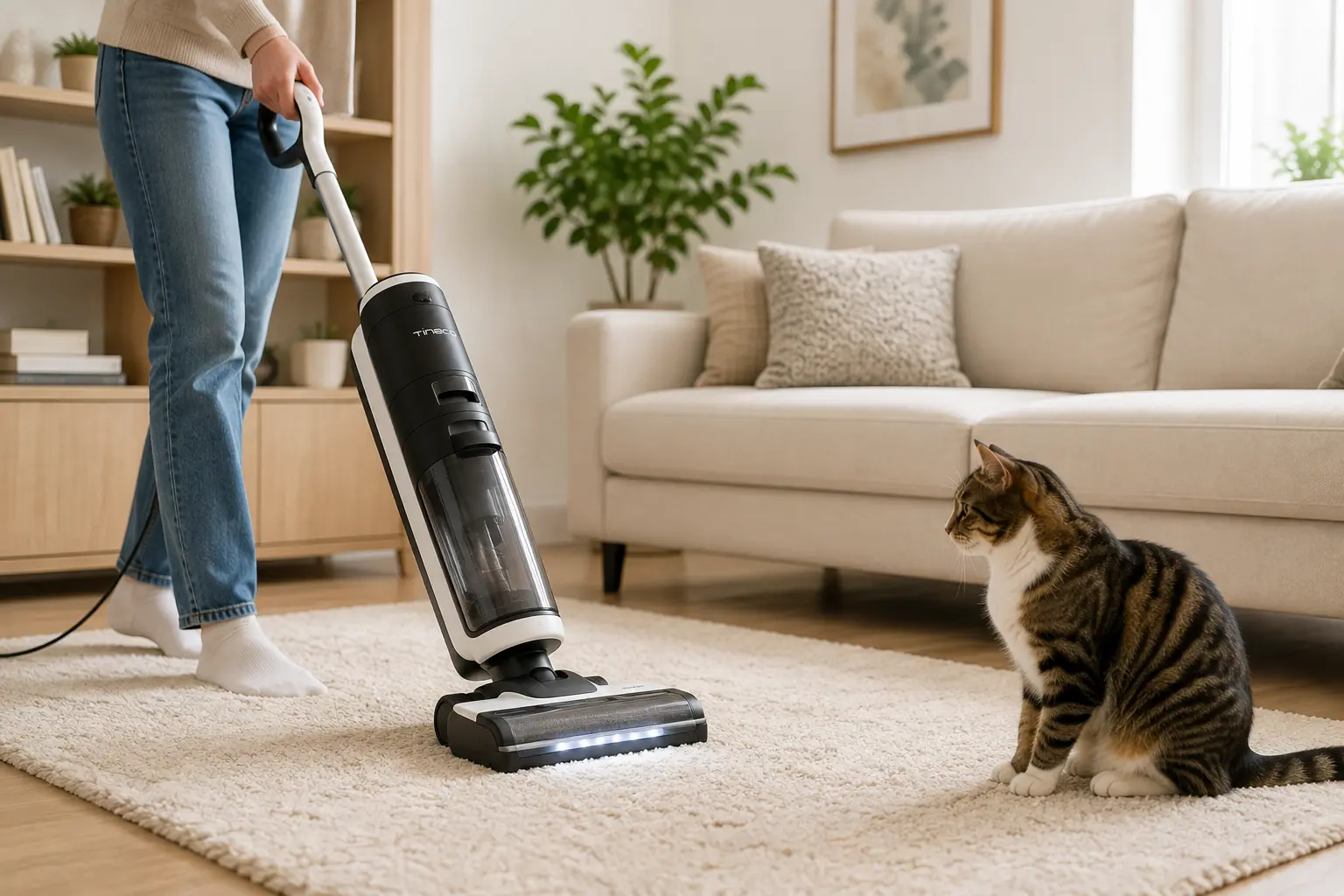
- Clean Surfaces: Vacuum rugs and soft furnishings regularly with a sealed True HEPA vacuum to capture settled dander before it recirculates.
Temperament: Highly Vocal, Affectionate, and Demanding
Adopting an Oriental Shorthair solely for allergy reasons without considering temperament frequently leads to rehoming. They are not quiet, aloof, or self-sufficient cats; they inherit the full, passionate personality of their Siamese heritage.
Extremely Vocal Communicators
Oriental Shorthairs do not merely meow; they carry on full, expressive conversations. They possess loud, raspy, honking voices and will readily voice their opinions regarding meal timing, closed doors, or insufficient affection. If you desire a quiet home, an Oriental Shorthair will overwhelm you.
People-Oriented and Needy
Often described as "velcro cats" or "dog-like," Oriental Shorthairs form deep, intense attachments to their human families. They follow you from room to room, ride on your shoulders, burrow under your blankets, and demand direct participation in every daily activity.
Struggles When Left Alone
Because of their extreme need for companionship, Oriental Shorthairs do not tolerate being left alone for extended workdays. If isolated for 8 to 10 hours daily, they can develop severe separation anxiety, compulsive over-grooming, and destructive stress behaviors. They thrive best in homes with work-from-home owners or alongside another active feline companion.
Who Fits an Oriental Shorthair (and Who Should Skip It)
- Ideal Match: Individuals who work from home, families with older children who want an affectionate and active pet, and owners who love communicative, interactive animals.
- Poor Match: Owners who are out of the house 10 to 12 hours a day, individuals sensitive to loud vocalizations, or households wanting a quiet, low-maintenance pet.
To evaluate how different cat breeds match your household environment and allergy sensitivity, explore our interactive breed matcher tool.
How to Test Your Allergy Sensitivity Before Adopting
Because individual cat protein levels and human sensitivities vary, never adopt an Oriental Shorthair without completing an in-person tolerance trial.
Step 1: Adult Cattery Challenge (Spend 2–3 hours with adult cats)
                             │
                             ▼
Step 2: Second Exposure Visit (Confirm tolerance on a second day)
                             │
                             ▼
Step 3: At-Home T-Shirt Trial (Sleep near dander-exposed cloth)
                             │
                             ▼
Step 4: Medical Guidance (Review findings with an allergist)
1. In-Person Adult Cattery Challenge
Arrange to spend at least 2 to 3 hours inside an ethical Oriental Shorthair cattery interacting directly with mature adult cats:
- Test with Adults, Not Kittens: Kittens produce significantly lower amounts of Fel d 1 than mature cats. Testing around kittens can provide false confidence; always interact with adult cats, particularly the parents of an upcoming litter.
- Hold Antihistamines: Avoid allergy medications before your visit (unless medically inadvisable) to ensure you observe an unmasked immune response.
- Direct Interaction: Hold the cats close to your face and allow them to rub against your skin.
2. Multi-Visit Verification and At-Home Cloth Trial
Allergic sensitization often builds over repeated encounters. A second visit several days later helps verify whether your respiratory tract remains calm upon re-exposure. Additionally, ask the breeder for a clean cotton t-shirt rubbed over the adult cats and sleep near it for 24 to 48 hours to check for delayed overnight reactions.
3. Consult an Allergist
Before making a long-term commitment, consult a board-certified allergist for formal skin-prick or specific IgE blood testing, as outlined in our guide to cat allergy testing.
For a broader evaluation of low-allergen cat breeds, review our master comparison of the best hypoallergenic cat breeds.
Key Takeaways
- Not Biologically Hypoallergenic: Oriental Shorthairs produce standard baseline levels of the Fel d 1 protein in their saliva and skin glands.
- Low Shedding Advantage: Their fine, glossy single coat lacks an undercoat, significantly reducing loose hair and mechanical dander transport in the home.
- No Breed-Specific Proof: Claims that Oriental Shorthairs produce less Fel d 1 are entirely anecdotal; no peer-reviewed studies validate genetic suppression in this breed.
- Intensely Vocal and Needy: Oriental Shorthairs demand extensive human companionship and vocalize frequently; they struggle with separation anxiety if left alone all day.
- Perform Rigorous Pre-Adoption Testing: Always test your sensitivity with mature adult cats across multiple visits and conduct an at-home cloth trial before committing to adoption.
Sources
- Bonnet, B., et al. (2018). "An update on molecular cat allergens: Fel d 1 and beyond." Allergy, Asthma & Clinical Immunology, 14, 7.
- Cat Fanciers' Association (CFA). "Oriental Shorthair Breed Profile and Championship Standard."
- The International Cat Association (TICA). "Oriental Shorthair Breed Standard and History."
- American Academy of Allergy, Asthma & Immunology (AAAAI). "Pet Allergens: Exposure, Mechanisms, and Environmental Mitigation."