Are Bengal Cats Hypoallergenic? What Allergy Sufferers Should Know
Bengal cats have a short, sleek coat, but is that enough for allergy sufferers? Here is what is known, what is anecdotal, and how to test first.
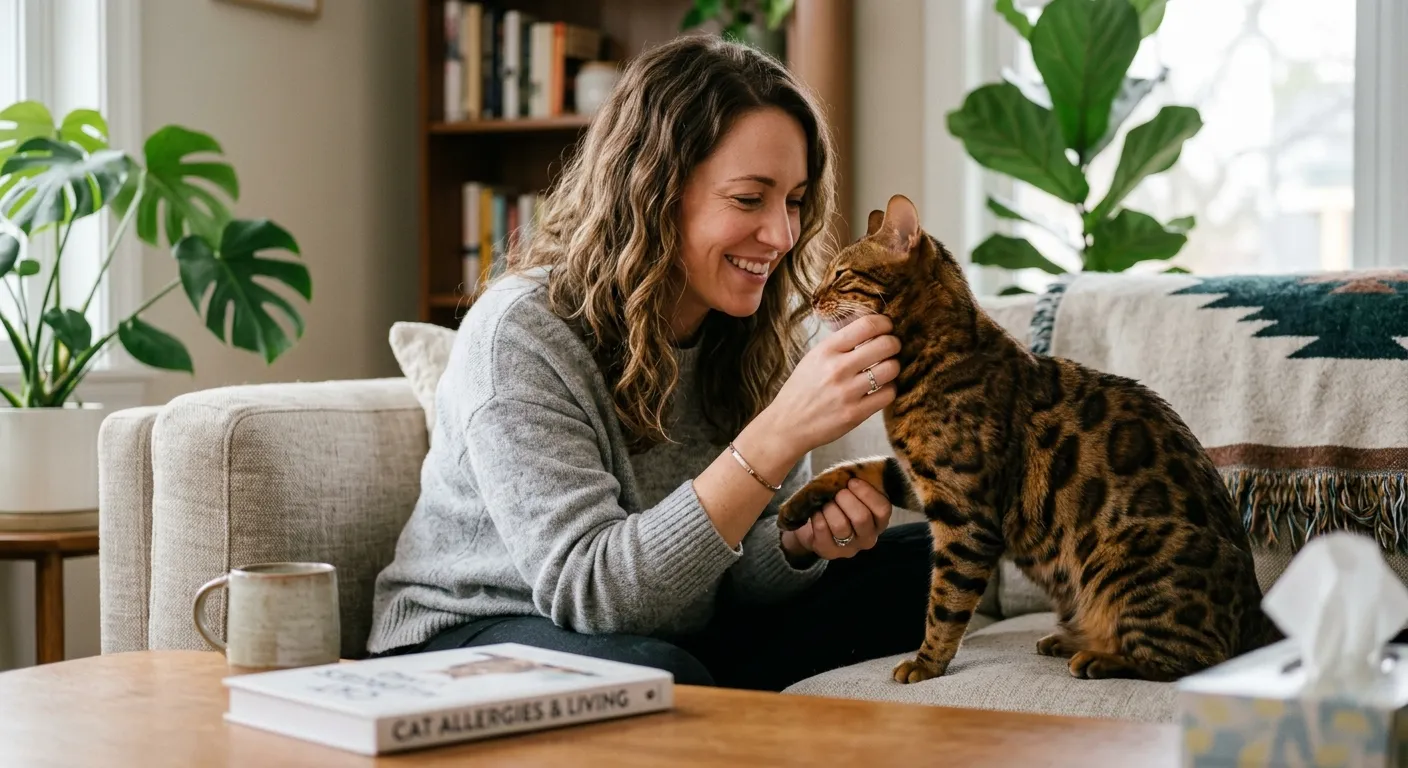
If you are wondering whether are bengal cats hypoallergenic, the short answer is no: Bengal cats are not allergen-free, and low shedding is not the same as low allergen. While their sleek, pelt-like coat sheds noticeably less hair than that of standard domestic felines, Bengals still synthesize and secrete the primary feline allergens that trigger human immune responses.
With their miniature-leopard rosettes, muscular athleticism, and exotic wild heritage, Bengal cats have captured the fascination of cat lovers worldwide. Many breeder websites market them as hypoallergenic companions suitable for allergic households. However, separating commercial claims from feline immunology is essential before committing to a breed with such demanding lifestyle needs.
In this guide, we evaluate what science says about Bengal allergen production, explore how their unique coat architecture affects dander dispersal, assess whether their intense temperament fits your household, and outline how to safely test your tolerance before bringing one home.
Quick Summary: The Bengal Allergy Profile
| Trait | Bengal Reality | Impact on Allergy Sufferers |
|---|---|---|
| Fel d 1 Production | Standard baseline levels | Biological trigger is present; claims of reduced salivary protein are unverified |
| Coat Type | Short, tight, pelt-like coat | Holds dander close to the skin; releases significantly fewer loose airborne hairs |
| Shedding Volume | Very low to low | Fewer mechanical carriers distributing dried saliva across household furniture |
| Grooming Frequency | Self-maintaining; low grooming needs | Spends less time depositing salivary protein onto fur compared to high-maintenance breeds |
| Activity & Energy | Extremely high (demands daily exercise) | Active running and jumping can stir settled household dust and dander |
| Evidence Level | Anecdotal | No peer-reviewed genetic evidence supporting hypoallergenic status |
The Bengal Coat: Why It Created the Low-Allergen Reputation
The Bengal breed originated in the United States in the late twentieth century through intentional hybridization between domestic felines (Felis catus) and the small Asian Leopard Cat (Prionailurus bengalensis). Today's domestic Bengals are many generations removed from their wild ancestors (classified as F4 or later for pet adoption), yet they retain distinctive wild physical traits.
The primary driver of the Bengal's hypoallergenic reputation is its coat texture:
- The "Pelt-Like" Texture: Unlike standard domestic cats whose coats consist of distinct, separated layers that shed freely, a Bengal possesses a tight, ultra-short, pelt-like coat that feels more like rabbit or otter fur than typical cat hair.
- Minimal Undercoat: Bengals have very little downy undercoat. Because they lack dense undercoat layers, seasonal molting is minimal.
- Low Self-Grooming Time: Because their sleek coats do not mat, tangle, or collect debris, Bengals generally spend less time actively licking their fur than breeds with dense, fluffy coats.
Because owners observe far less hair clinging to clothing, sofas, and bedding, many conclude that the cat must be hypoallergenic. However, this assumption confuses hair volume with allergen biochemistry.
What Owners Report vs. What Science Actually Supports
To evaluate whether a Bengal will trigger your allergies, you must look beyond loose fur to the root cause of the allergic reaction.
As explained in our foundational guide on what causes cat allergies, human immune systems react primarily to Fel d 1, a 35 kDa secretoglobin glycoprotein synthesized in feline salivary, sebaceous (skin), and lacrimal (tear) glands. Fel d 1 drives up to 95% of human feline allergies. When dried saliva and epithelial flakes detach, they form microscopic dander particles measuring 2 to 10 microns, with fine particles under 5 microns remaining airborne for hours.
+--------------------------------------------------------------------------+
|                  THE BENGAL ALLERGY PARADOX: HAIR VS. DANDER             |
|                                                                          |
|  [What Is Reduced]    Loose airborne hair shedding (mechanical carrier)  |
|  [What Remains]       Microscopic skin dander & salivary Fel d 1        |
|  [Clinical Reality]   Sensitized immune systems react to proteins, not hair|
+--------------------------------------------------------------------------+
The Anecdotal Reports
Many allergic individuals report experiencing fewer sneezing fits, less itchy skin, and milder eye irritation when living with a Bengal compared to a domestic shorthair. These real-world observations typically stem from mechanical factors: fewer shed hairs drifting around the living space mean fewer airborne rafts carrying dried saliva into the air.
The Scientific Reality
To date, there are no published, peer-reviewed clinical studies demonstrating that Bengal cats produce lower concentrations of Fel d 1 than non-pedigreed cats. Unlike Siberian cats, where genetic mutations altering Fel d 1 expression have been documented, Bengals appear to produce standard baseline allergen levels.
Furthermore, individual allergen secretion varies dramatically based on biological factors:
- Hormonal Influence: Intact males produce the highest Fel d 1 concentrations because testosterone stimulates sebaceous gland output. Neutering significantly reduces active skin secretions, while females generally produce the lowest baseline levels.
- Cat-to-Cat Variance: Two Bengals from the exact same litter can produce vastly different amounts of Fel d 1. Relying on breed reputation alone offers no guarantee of tolerance.
Energy, Exercise, and Stimulation Needs: An Honest Fit Check
Adopting a Bengal solely for allergy reasons without understanding their intense behavioral profile is a recipe for heartbreak. Bengals are among the most athletic, demanding, and high-energy breeds in the domestic cat world.
Not a Sedentary Lap Cat
Bengals are perpetually curious apex athletes. They do not spend their days sleeping quietly on cushions. They sprint, leap to the tops of doors, open cabinets, turn on light switches, and demand active mental engagement. Without daily physical outlets, an under-stimulated Bengal will develop destructive behaviors, including scratching furniture, unrolling toilet paper, vocal howling, and stress-related urination.
The Bengal Exercise Requirement
Prospective owners must be prepared to integrate active enrichment into daily life:
- Cat Exercise Wheels: Many Bengal owners invest in large running wheels to help their cats burn off boundless energy indoors.
- Leash Walking: Many Bengals readily take to harness and leash training, enjoying daily outdoor walks.
- Water Fascination: Inheriting their wild ancestors' affinity for water, Bengals frequently play in sinks, drink from running faucets, and may even join you in the shower.
If you desire a relaxed, calm, low-maintenance companion, a Bengal is almost certainly the wrong breed.
Household Compatibility: Kids, Other Pets, and Apartments
Before bringing a Bengal home, evaluate how their personality matches your living environment:
Compatibility with Children
Bengals can be fantastic companions for active families with older children who enjoy interactive play like fetch or wand-chasing. However, because Bengals play hard and possess remarkable physical strength, their rough-and-tumble play style can occasionally overwhelm toddlers or timid young children.
Compatibility with Other Pets
Bengals thrive in homes with other high-energy companions, such as active dogs or fellow playful cats. However, their ancestral wild heritage means they retain an exceptionally high prey drive. They should never be trusted unsupervised around small pets, including birds, rodents, reptiles, or fish tanks.
Are Bengals Good for Apartments?
Bengals can live in apartments, but only if the space is heavily optimized:
- Vertical Architecture: Floor-to-ceiling cat trees, wall-mounted climbing bridges, and window shelves are mandatory to expand usable territory.
- Acoustic Considerations: Bengals possess loud, raspy, distinctive voices. If they become bored while you are at work, their vocal complaints may carry through shared apartment walls.
To compare how the Bengal matches your living situation and allergy sensitivity against other low-allergen breeds, consult our interactive breed matcher tool.
Sourcing: Reputable Breeders vs. Rescues (Avoiding Hypoallergenic Scams)
Because Bengals are striking and popular, unethical commercial breeders frequently exploit allergy sufferers with misleading marketing.
+--------------------------------------------------------------------------+
|                       BENGAL SOURCING SAFETY RULES                       |
|                                                                          |
|  [Red Flag]   Breeder guarantees the cat is "100% hypoallergenic"        |
|  [Red Flag]   Selling early-generation hybrids (F1–F3) as standard pets  |
|  [Standard]   F4 generation or later, registered with TICA or CFA        |
|  [Standard]   Breeder permits in-person adult exposure visits            |
|  [Option]     Specialized breed rescues with adult cats needing homes     |
+--------------------------------------------------------------------------+
Beware of Guarantees
Any breeder who promises that their Bengal kittens are "guaranteed hypoallergenic" is misrepresenting feline biology. No cat breed is 100% allergy-free. Reputable breeders understand feline genetics and will candidly discuss allergen risks with sensitive buyers.
Registration and Generations
Ensure any kitten you consider is at least an F4 generation (four generations removed from the Asian Leopard Cat) and registered with recognized pedigree registries like The International Cat Association (TICA) or the Cat Fanciers' Association (CFA). Earlier generations (F1 to F3) exhibit wilder, less predictable behaviors and are legally restricted or banned in many municipalities.
Consider Breed Rescues
Because many unprepared owners surrender Bengals when overwhelmed by their high energy, breed-specific rescue organizations frequently have purebred adult Bengals available for adoption. Adopting an adult Bengal through a rescue allows you to evaluate both their fully matured personality and their actual adult allergen output.
How to Test Your Allergy Sensitivity Before Adopting
Because human immune sensitivity varies and each Bengal produces different protein concentrations, personal exposure testing is non-negotiable before finalizing an adoption.
1. In-Person Adult Cattery Challenge
Arrange to spend at least 2 to 3 hours inside a registered breeder's cattery interacting exclusively with adult cats:
- Focus on Adults: Never base your tolerance on an 8-week-old kitten. Kittens produce significantly lower amounts of Fel d 1 than mature adults; evaluating a kitten provides a false sense of security.
- Hold Allergy Medications: Refrain from taking antihistamines or nasal sprays prior to the visit (unless medically inadvisable) to ensure you observe an unmasked immune response.
- Close Contact: Hold the adult cats, allow them to rub against your hands and neck, and monitor for localized hives, eye itching, or respiratory tightness.
2. Multi-Visit Verification
Allergic sensitization can build over repeated exposures. An initial visit may produce minimal symptoms, but a follow-up visit several days later may trigger a delayed reaction. Scheduling a second visit ensures your tolerance is consistent.
3. The At-Home T-Shirt Trial
Ask the breeder to rub a clean cotton t-shirt thoroughly over the adult cats and seal it in a zip-top bag. Sleep near the shirt at home for 24 to 48 hours to observe whether delayed respiratory or cutaneous symptoms develop in your normal living space.
4. Consult an Allergist
Before investing significant emotional energy and financial resources, schedule formal testing with a board-certified allergist. As covered in our guide on cat allergy testing, skin-prick and specific IgE blood tests confirm whether cat dander is your true primary trigger and help guide personalized management strategies.
Environmental Controls: Managing Bengal Allergens at Home
If you decide to bring a Bengal home, combining their low-shedding coat with proactive environmental hygiene ensures maximum long-term comfort. As detailed in our comprehensive guide on how to reduce cat allergens at home, implement these core defenses:
1. Continuous True HEPA Air Filtration
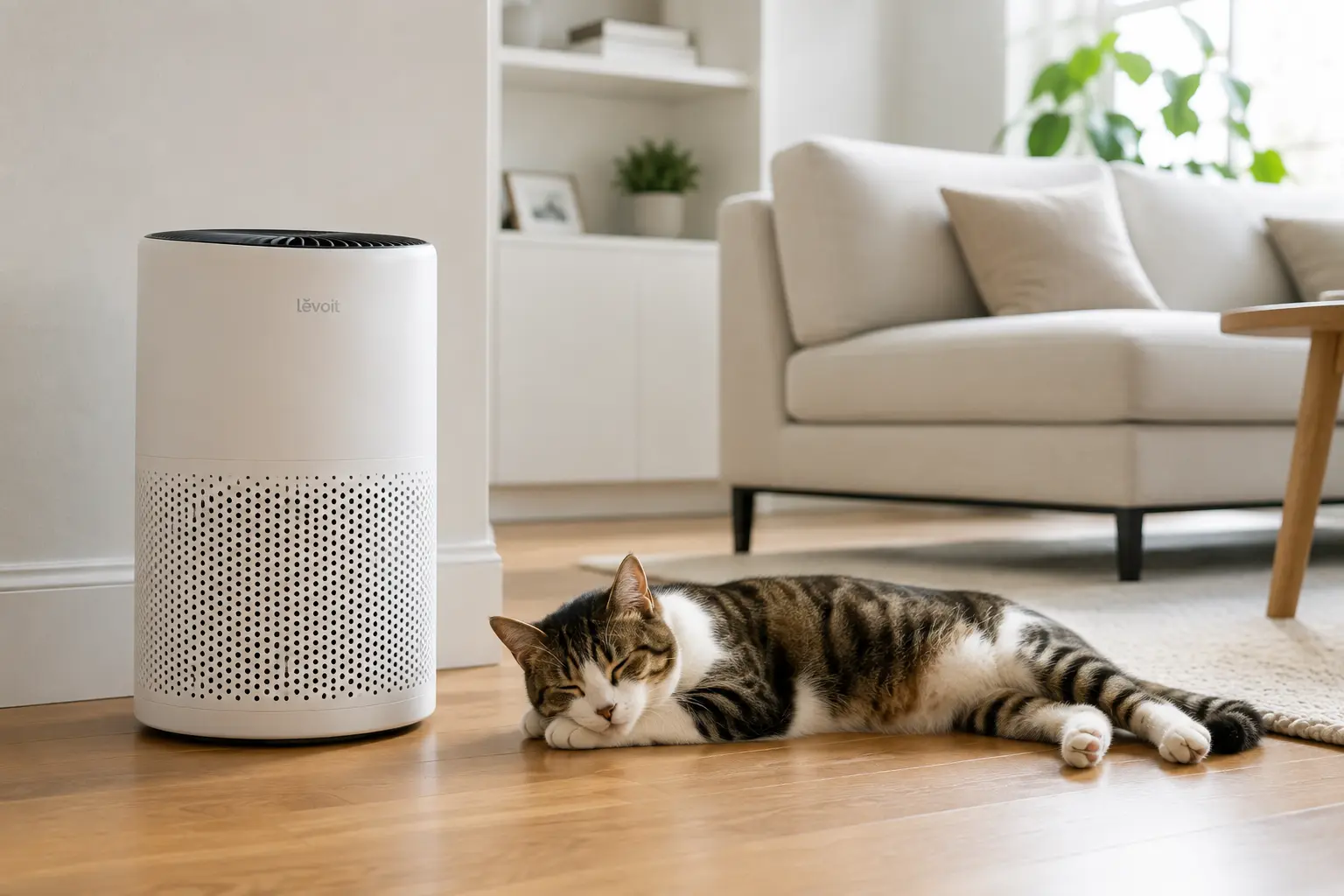
Because microscopic dander particles under 5 microns linger in the air indefinitely, running a True HEPA air purifier in high-traffic rooms and the bedroom captures 99.97% of airborne particles down to 0.3 microns.
2. Dietary Neutralization
Consider feeding an allergen-reducing diet, such as Purina Pro Plan LiveClear. Formulated with egg-derived anti-Fel d 1 antibodies, clinical studies show it reduces active Fel d 1 on hair and dander by an average of 47% starting by the third week of daily feeding.
3. Maintain a Pet-Free Bedroom Sanctuary
Keep your bedroom door permanently closed. Preventing your Bengal from napping on your bed gives your respiratory system 7 to 8 hours of allergen-free recovery every night.
For a broader perspective on low-allergen options, explore our master guide to the best hypoallergenic cat breeds.
Key Takeaways
- Low Shedding Is Not Low Allergen: The Bengal's sleek, pelt-like coat sheds significantly less hair, but they still produce standard levels of the primary Fel d 1 allergen in their saliva and skin.
- Reputation Is Anecdotal: Unlike Siberians, who have documented genetic mutations reducing salivary Fel d 1, Bengal claims rely entirely on owner reports and coat mechanics.
- Extremely Demanding Energy: Bengals are high-energy athletes requiring extensive mental stimulation, vertical climbing space, and daily interactive exercise.
- Avoid Unethical Guarantees: Never trust breeders claiming Bengals are 100% hypoallergenic. Seek ethical TICA- or CFA-registered breeders or breed rescues.
- Perform Rigorous Pre-Adoption Testing: Always test your sensitivity around mature adult Bengals across multiple visits and conduct an at-home cloth trial before committing.
Sources
- Bonnet, B., et al. (2018). "An update on molecular cat allergens: Fel d 1 and beyond." Allergy, Asthma & Clinical Immunology, 14, 7.
- The International Cat Association (TICA). "Bengal Breed Standard and History."
- Cat Fanciers' Association (CFA). "Bengal Breed Profile."
- American Academy of Allergy, Asthma & Immunology (AAAAI). "Pet Allergy Diagnosis, Management, and Avoidance Guidelines."
- Satyaraj, E., et al. (2019). "Anti-Fel d 1 immunoglobulins reduce active allergen in cat saliva and dander." Journal of Feline Medicine and Surgery, 21(10), 958–965.